Free planning tool
Snake Boot Finder
Filter our guides by protection type, use and feature.
Overview
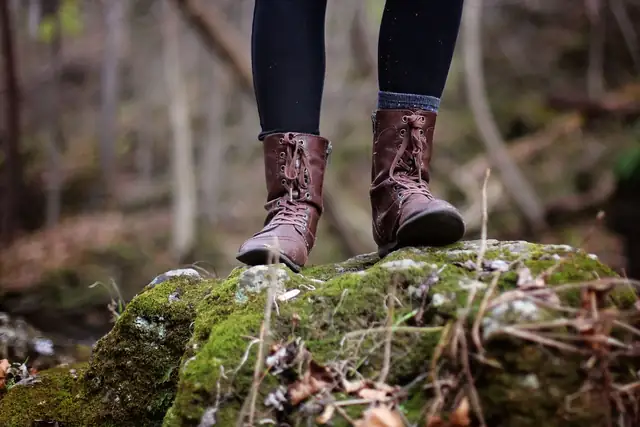
Best Snake Boots
There is no single best snake boot. The right pair depends on your terrain, climate, fit and what the manufacturer actually claims the boot…
Open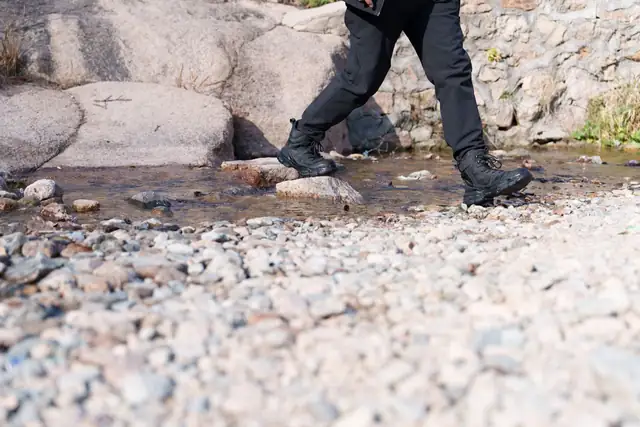
Overview
Waterproof Snake Boots
Wet ground changes the equation. Water protection and snake protection are separate features, and heavy waterproofing can trade off breathability. Here is what to…
Open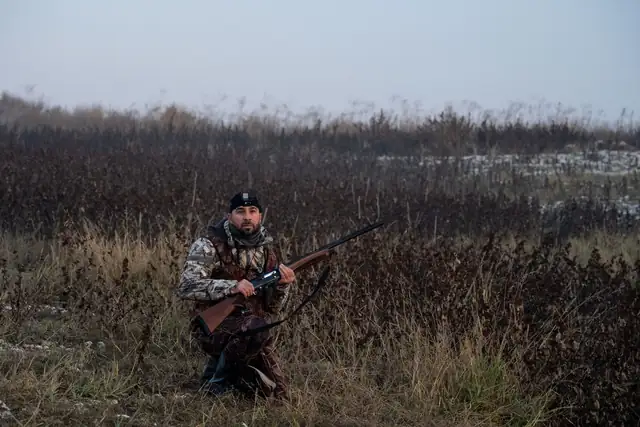
Overview
Hunting Snake Boots
Hunters stand, sit and move quietly for hours. Beyond snake protection, think about noise, camouflage, insulation and how a boot holds up over distance.
Open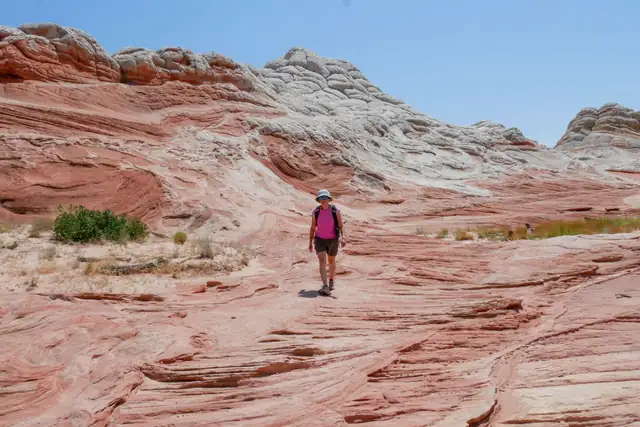
Overview
Lightweight Snake Boots
Heat and weight are the usual complaints about tall protective boots. Lighter builds exist, but each trade-off in breathability, coverage and durability is worth…
Open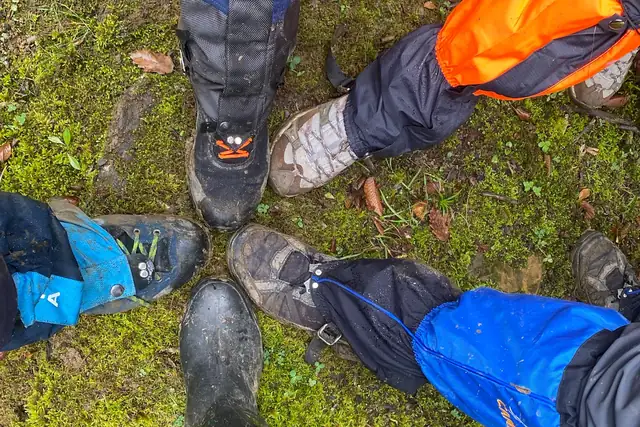
Overview
Snake Gaiters
Snake gaiters add protection to boots you already own. They are light and packable, but compatibility with your boots, closures and coverage height decide…
Open
Overview
Snake Chaps
Snake chaps are worn over pants and boots, mostly for brush clearing, ranch and farm work. They cover more of the leg than gaiters,…
Open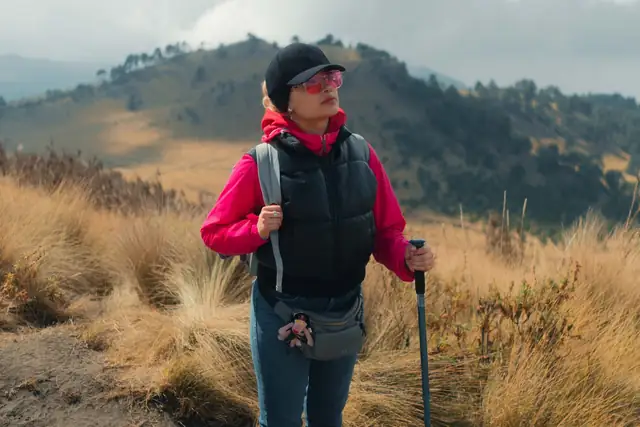
Overview
Women’s Snake Boots
Women's-specific lasts and shafts can fit differently from men's boots in smaller sizes. Calf circumference, heel fit and shaft stiffness are the details to…
Open
Overview
Wide-Calf Snake Boots
A shaft that is too tight is uncomfortable, and one that is too loose can shift. Measure your calf and compare it with the…
Open
Overview
Snake Boots for Turkey Hunting
Spring turkey hunting means long stretches of sitting still at woodland edges, when many snakes become active again. Look for quiet materials, comfort over…
Open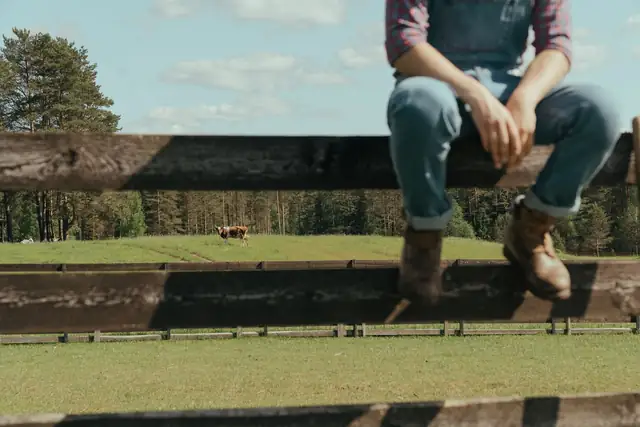
Overview
Snake Boots for Ranch Work
Ranch and farm work is hard on boots: mud, water, fences and long days. Durability, traction and ease of cleaning matter as much as…
Open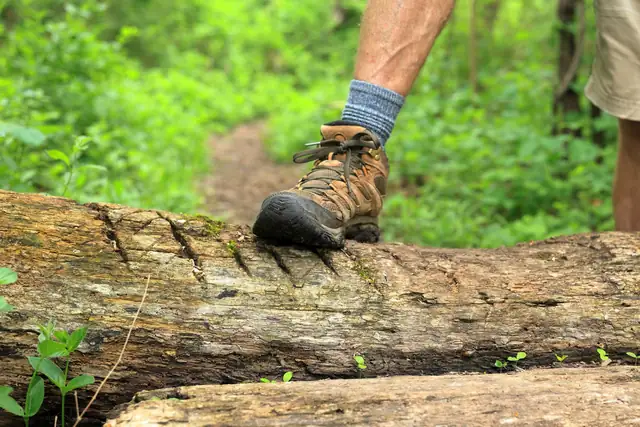
Overview
Snake Country Hiking Gear
On the trail, weight and comfort win. Many hikers pair good boots with sensible trail habits, and some add gaiters in tall grass or…
Open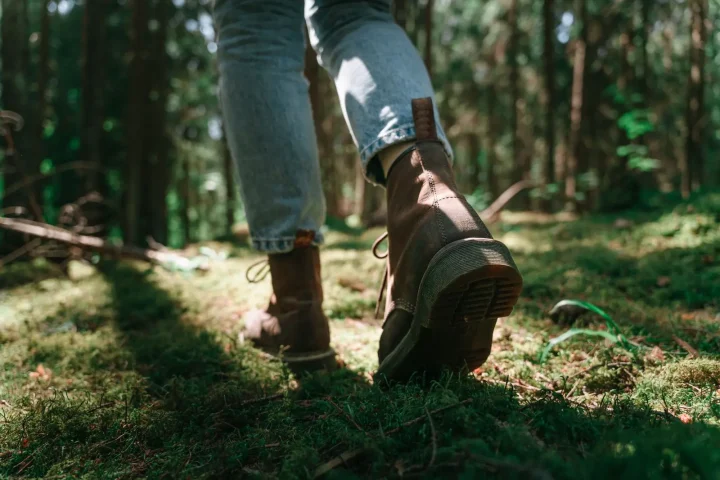
Buying Guide
How to Choose Snake Boots: 9 Things to Check Before You Buy
A practical way to compare snake boots on facts instead of marketing: protection claims, shaft height, materials, waterproofing, fit, weight, closures, traction and care.
Open
Checklist
Before You Buy Snake Boots: An 8-Point Checklist
Eight things to confirm before you click buy, in a checklist you can tick off and come back to. It is saved only in…
Open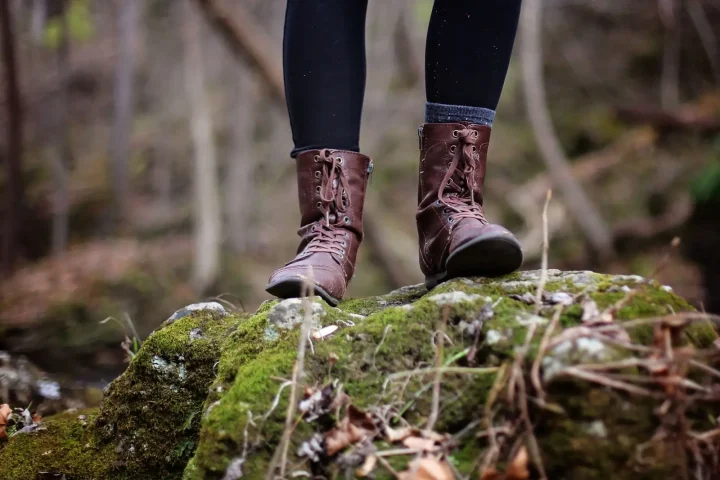
How-To
How Tall Should Snake Boots Be? What the Numbers Do and Don’t Tell You
Shaft heights of roughly 15 to 18 inches are common, but there is no single right number. Learn how heights are measured, how to…
Open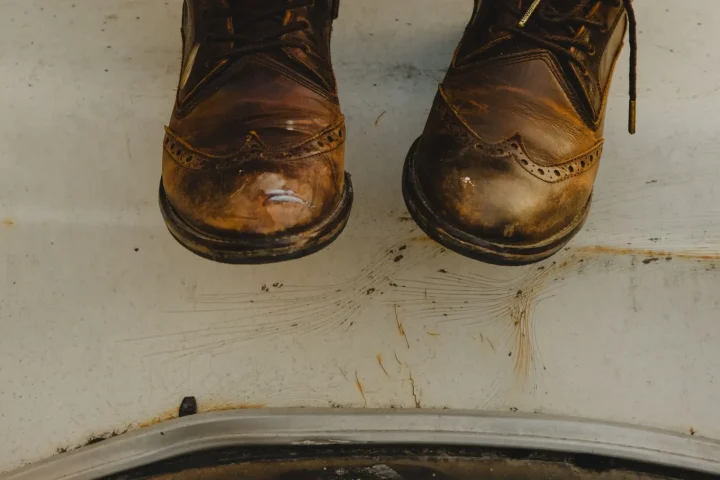
How-To
Snake Boot Sizing Guide: How to Get the Right Fit
Tall boots have two fits to get right: the foot and the calf. Here is how to measure both, what to check when you…
Open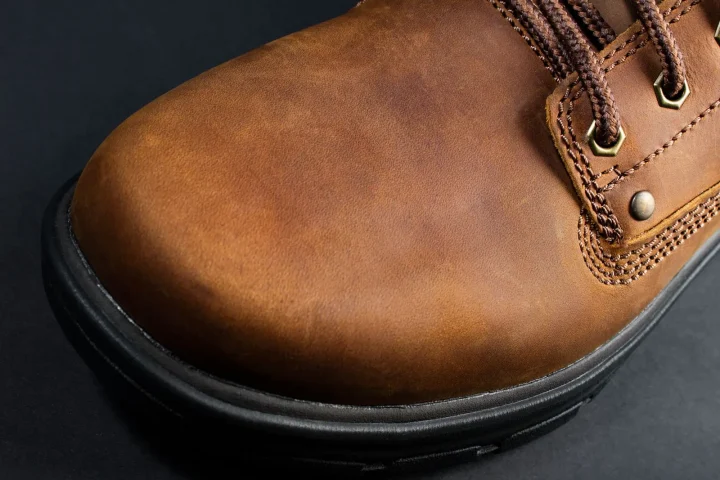
Comparison
Leather vs Rubber Snake Boots: Which Makes More Sense for Your Terrain?
Materials trade off water, breathability, weight, noise and care. Here are the general tendencies of leather and rubber, and why neither guarantees snake protection.
Open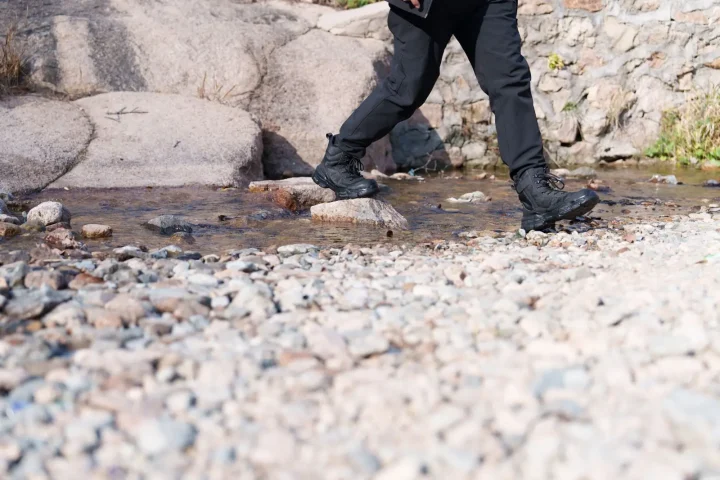
Gear Basics
Are Snake Boots Waterproof? What to Check Before Buying
Waterproofing and snake protection are separate features. Learn the three ways boots keep water out and how to read the wording on a listing.
Open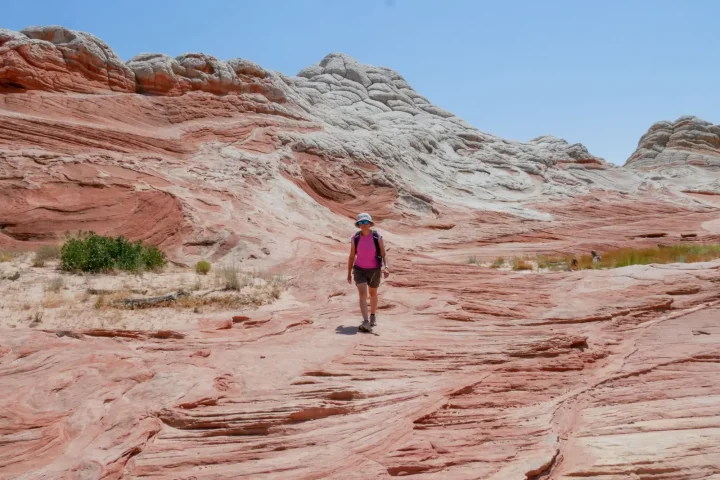
Buying Guide
Snake Boots for Hot Weather: Staying Cooler Without Giving Up Coverage
Summer is when many people are outdoors, and heat is why some skip protective gear. Here are real trade-offs between boots, gaiters and lighter…
Open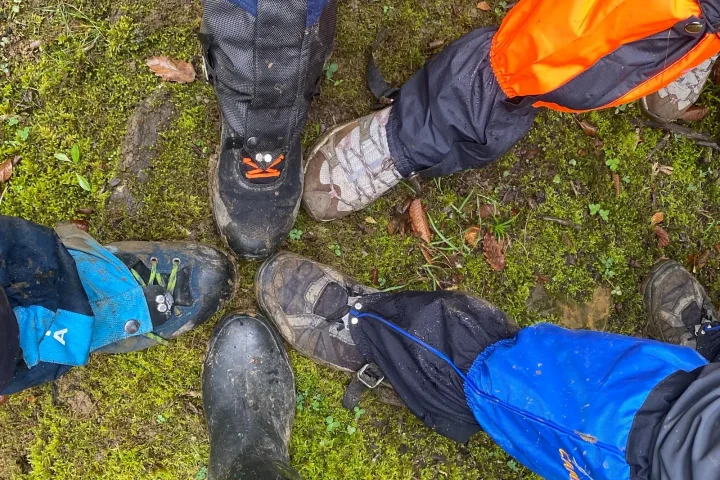
Comparison
Snake Boots vs Gaiters: Which Makes More Sense for Your Terrain?
Boots build coverage into the footwear; gaiters add it to boots you already own. Compare coverage, weight, water, fit and ease of use, then…
Open
Gear Basics
Snake Chaps: When They Make Sense (and When They Don’t)
Chaps cover more of the leg than gaiters, but they add heat and bulk. Here is where they earn their place, where they do…
Open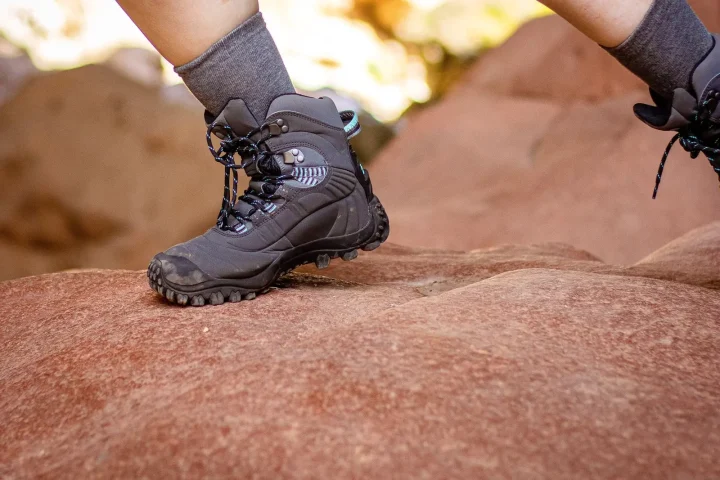
Gear Basics
Do Snake Boots Really Work? What the Evidence Does (and Doesn’t) Show
Boots can reduce risk to the leg they cover, but independent evidence on specific products is thin. Here is what bite data, a lab…
Open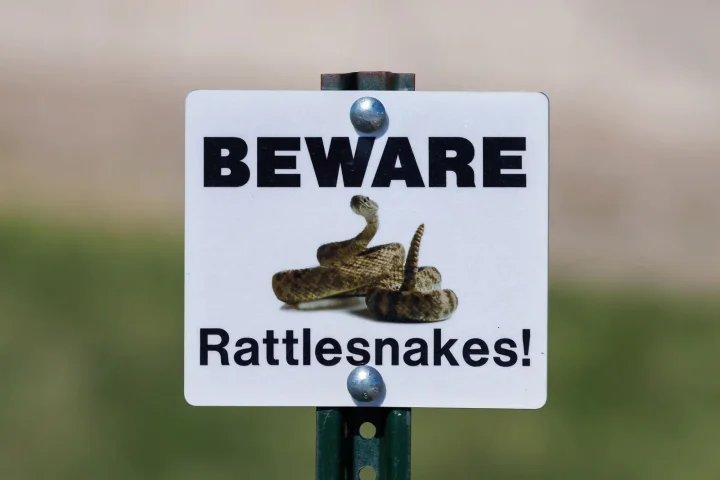
Gear Basics
“Snake Proof” vs “Snake Resistant”: What the Labels Actually Tell You
Marketing terms are not standards. Learn what to ask when a listing says snake proof, snake resistant or snake guard, and which red flags…
Open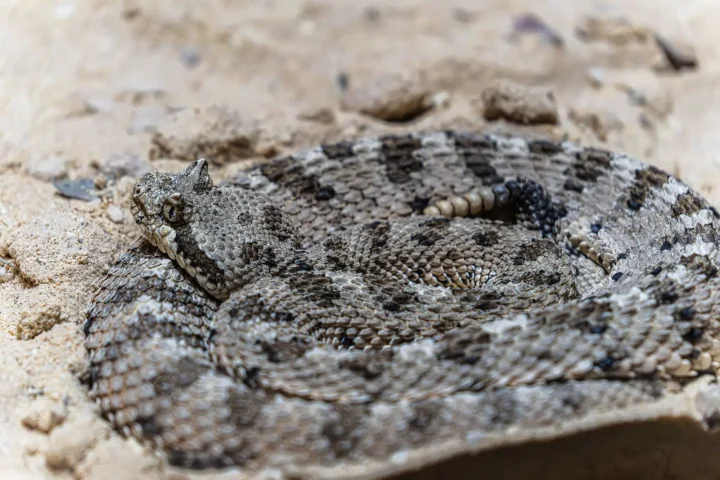
Safety
How to Lower Your Snakebite Risk Outdoors (and What to Do If Someone Is Bitten)
Habits, clothing and a plan. What extension services and medical sources recommend before you go, and the first-aid steps and mistakes to know.
Open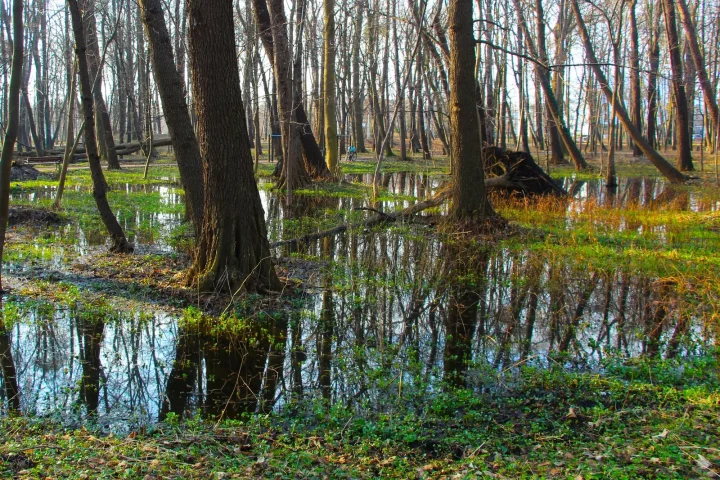
Buying Guide
Snake Boots for Swamps and Wet Ground: What Actually Matters
Standing water, mud and long wet days change what you need from a boot. Depth, waterproofing, traction and drying all matter, and none of…
Open
Buying Guide
Snake Boots for Tall Grass and Brush: Coverage, Heat and Snags
Dense cover raises different questions from open trail: how much leg to cover, how to manage heat, and what snags on brush. A terrain-first…
Open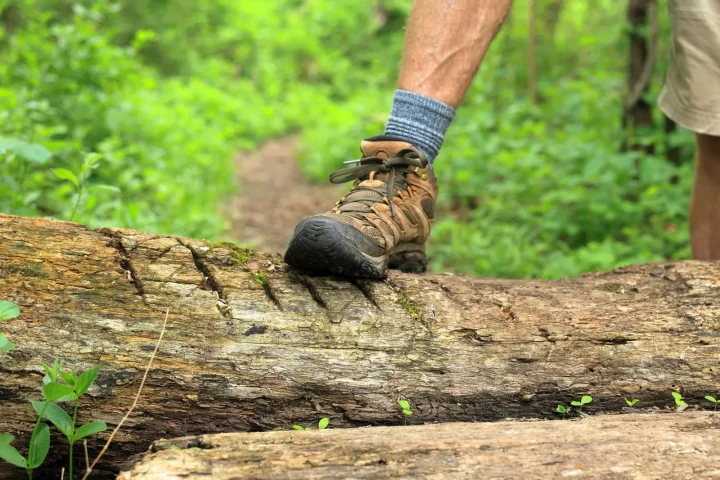
How-To
Hiking in Snake Country: Boots, Gaiters or Neither?
Most of staying safe on the trail is habit, not hardware. Here is how to decide how much leg protection to carry, and what…
Open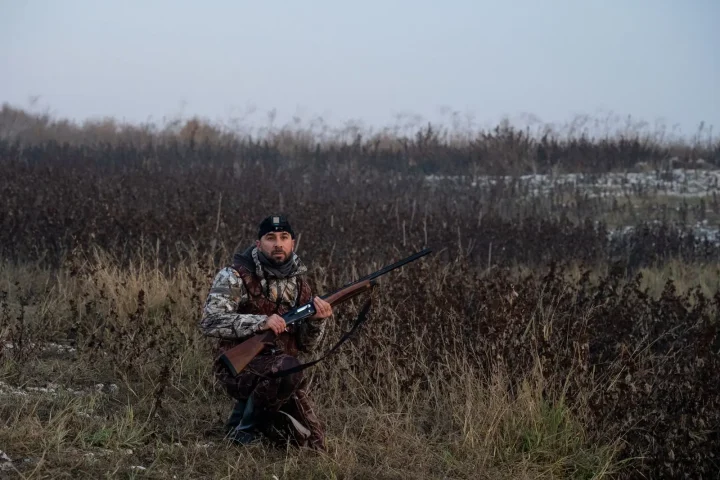
Gear Basics
Hunting in Snake Country: Gear and Habits for Spring and Fall
Long sits, thick cover and retrieving game from brush put hunters close to snake habitat. Here is how seasons, habits and gear fit together,…
OpenNo guides match those filters yet. Try clearing a filter.
This finder lists our own guides and verified entries only. We do not publish invented prices, ratings or specifications.