How to Choose Snake Boots: 9 Things to Check Before You Buy
A practical way to compare snake boots on facts instead of marketing: protection claims, shaft height, materials, waterproofing, fit, weight, closures, traction and care.
As an Amazon Associate, SnakeBootGuide.com may earn from qualifying purchases.
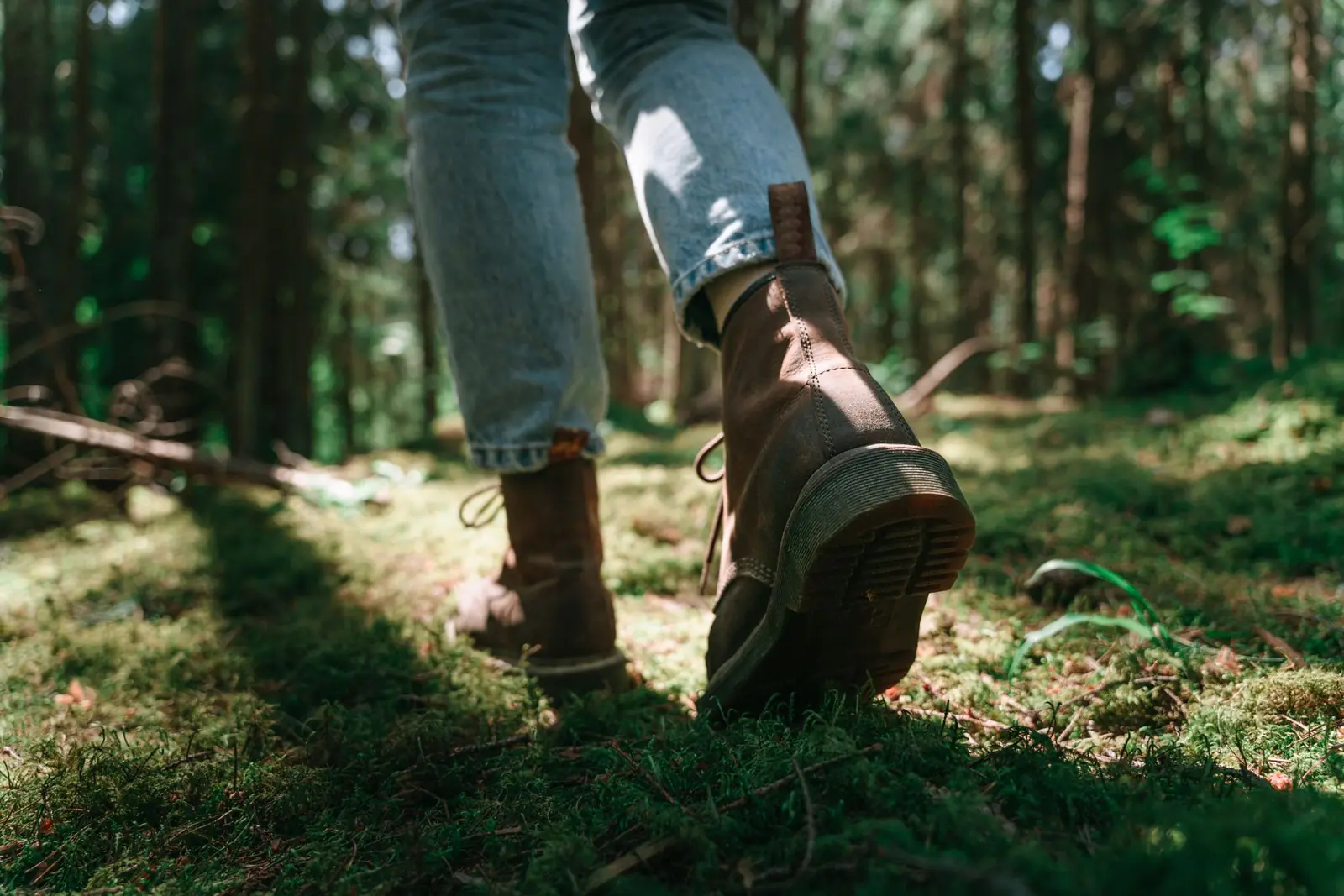
Shopping for snake boots is harder than shopping for ordinary boots, because two separate questions are tangled together: is this a good boot for how I will use it, and what does it actually do about snakes? Listings blur the two with big claims and little detail.
This guide gives you nine things to check, in a sensible order. It will not hand you a ranking of models. We only name a specific product when we can verify its specifications from the manufacturer, and we say so when information is missing.
Start with where and how you will use them
Everything else follows from this. A pair that is perfect for a flooded river bottom is miserable on a hot, dry ridge, and a boot built for long hunting sits may be wrong for a ranch day full of fence work.
- Terrain: wet ground, tall grass, brush, rocky trail or open woods?
- Climate: hot and dry, humid, cold, or all of the above across the year?
- Activity: hunting, hiking, ranch work, brush clearing? How far do you walk and how long do you sit?
- Frequency: a few trips a year, or every working day?
If you want a quick nudge in the right direction, our Snake Boot Match Quiz takes about a minute.
1. The manufacturer’s protection claim
Look for what the maker says is protected, and how it describes testing. Is it the whole shaft, only certain panels, or something vaguer? Does it name a test method, or just say “snake proof”?
No product can guarantee protection from every bite, and labels such as “snake proof” and “snake resistant” are marketing terms with no shared definition. Our guide to what those labels actually tell you explains the questions to ask.
2. Shaft height
Snake boots are commonly sold with shafts of roughly 15 to 18 inches, and Field & Stream suggests at least 15 inches. Colorado State University Extension recommends calf-high boots or, preferably, snake guards in rattlesnake country. More height means more coverage, but also more weight, more heat and more pressure behind the knee when you sit.
Also check how the height is measured, since makers do not all measure the same way. Our height guide shows how to compare a published number with your own leg, and the Boot Coverage Calculator does the arithmetic.
3. Materials and construction
Leather, rubber and textile each trade off water resistance, breathability, weight and noise. As general tendencies, rubber is waterproof by nature and easy to rinse but tends to be less breathable, while leather tends to breathe better and feel quieter but needs treatment or a membrane to resist water. Individual models vary widely, so compare specifics rather than materials alone. See leather vs rubber for more.
4. Waterproofing
Waterproofing and snake protection are separate features. Find out how the boot keeps water out (rubber, a membrane, sealed seams), whether the listing says “waterproof” or only “water-resistant”, and where the waterproof section ends. Are snake boots waterproof? covers how to read the wording.
5. Fit and sizing
A tall boot has two fits to get right: the foot and the calf. Check the published size chart and, where listed, the shaft circumference. If a maker does not publish a calf measurement, treat that fit as unverified. Our sizing guide walks through measuring both, and we have overviews for women’s fit and wide-calf fit.
6. Weight and heat
Weight adds up over distance, and heat is the most common reason people stop wearing protective gear. Compare published weights where manufacturers give them, and note whether the figure is per boot or per pair. If hot weather is your main concern, read snake boots for hot weather.
7. Closure
Pull-on, side-zip and lace-up designs trade convenience against fit and adjustability. A side zip can make getting in and out easier and may add adjustability, while a pull-on can be simpler with fewer parts to fail. Think about how quickly you need to take them on and off.
8. Traction and sole
Mud, leaf litter, wet rock and dry dirt are different surfaces. Look at the sole pattern and what the maker says it is designed for, especially if you cross slippery ground carrying gear.
9. Care and durability
Ask whether the boots can be resoled or repaired, how they should be cleaned and dried, and what the manufacturer says about wear. Boots that live in mud need to be easy to rinse and dry fully between trips.
The nine checks at a glance
| Check | Why it matters | Where to look |
|---|---|---|
| Protection claim | Separates marketing from stated testing | Product page, manufacturer documentation |
| Shaft height | Sets how much of the lower leg is covered | Spec list; check how it is measured |
| Materials | Affects water, heat, weight and noise | Materials description |
| Waterproofing | Waterproof and water-resistant are different promises | Exact wording on the listing |
| Fit | Foot and calf both have to work | Size chart, shaft circumference |
| Weight | Adds up over distance and in heat | Published weight (per boot or pair) |
| Closure | Convenience versus adjustability | Product photos and description |
| Traction | Your terrain decides what grips | Sole description |
| Care | Wet boots must dry fully | Care instructions, repair options |
Boots, gaiters or chaps?
Boots are not the only option. Gaiters add lower-leg coverage to boots you already own, and chaps cover more of the leg for brush and ranch work. Our boots vs gaiters comparison and the decision tool help you pick.
Ready to browse? These links open Amazon search results. We have not ranked or endorsed any individual listing, so check the manufacturer details of whatever you consider.
Browse snake boots on AmazonFrequently asked questions
Do I need snake boots at all?
That is a personal decision based on where you go and how much risk you are comfortable with. Habits such as watching where you step and never reaching where you cannot see matter a great deal, and footwear covers only part of the picture. See how to lower your snakebite risk.
How do I know a protection claim is real?
You often cannot, which is why it helps to look for specifics: what part is protected, what test method was used, and who ran it. A claim that names none of these is unverified.
What if a listing does not say something I need?
Treat it as unknown, not as a yes. Check the manufacturer’s own page, or ask them. We show missing information as “Not specified by manufacturer” for the same reason.
Sources and further reading
You May Also Like
How-To
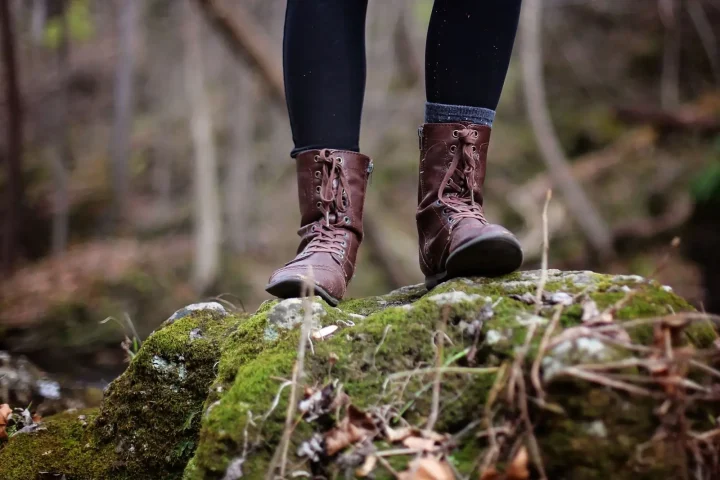
How Tall Should Snake Boots Be? What the Numbers Do and Don’t Tell You
Shaft heights of roughly 15 to 18 inches are common, but there is no single right number. Learn how heights are measured, how to…
Read guide
How-To
Snake Boot Sizing Guide: How to Get the Right Fit
Tall boots have two fits to get right: the foot and the calf. Here is how to measure both, what to check when you…
Read guide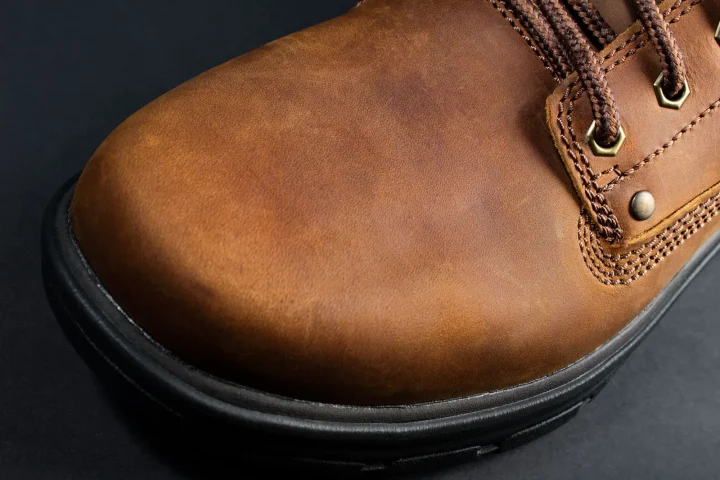
Comparison
Leather vs Rubber Snake Boots: Which Makes More Sense for Your Terrain?
Materials trade off water, breathability, weight, noise and care. Here are the general tendencies of leather and rubber, and why neither guarantees snake protection.
Read guide
Gear Basics
Are Snake Boots Waterproof? What to Check Before Buying
Waterproofing and snake protection are separate features. Learn the three ways boots keep water out and how to read the wording on a listing.
Read guide