Hunting in Snake Country: Gear and Habits for Spring and Fall
Long sits, thick cover and retrieving game from brush put hunters close to snake habitat. Here is how seasons, habits and gear fit together, with the numbers behind it.
As an Amazon Associate, SnakeBootGuide.com may earn from qualifying purchases.
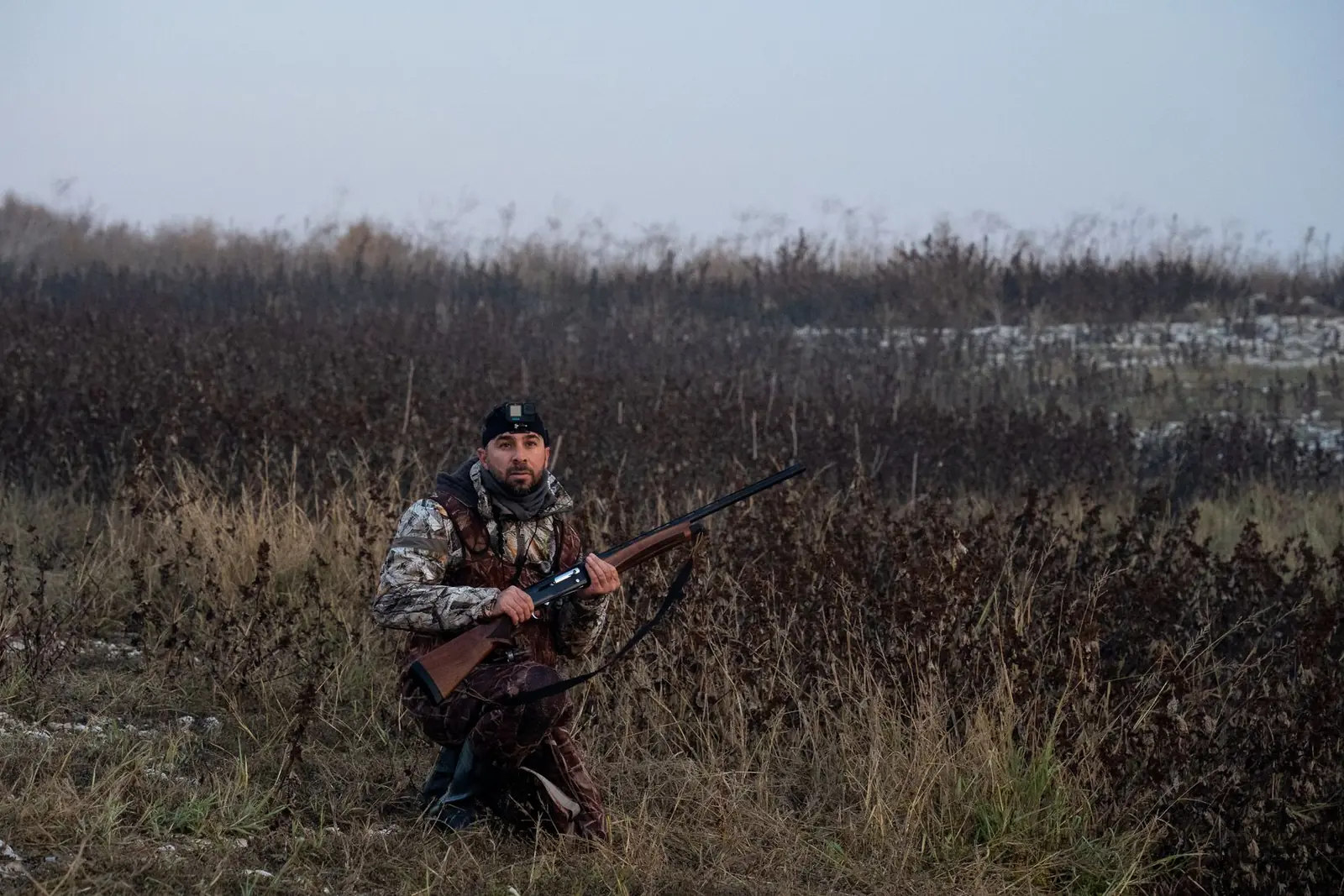
Hunters spend long stretches near the cover where snakes shelter: standing, sitting, crossing brush and retrieving game from places they cannot see. That makes habits and planning more valuable than any single piece of gear. This guide covers when bites tend to happen, habits for long sits and retrieves, and where boots and gaiters fit.
When bites happen
In a 2016 US dataset of emergency department visits for venomous snakebites, summer accounted for 50% of visits, fall 26%, spring 22% and winter 2% (Jaramillo et al., 2019). Colorado State University Extension notes that snakes, being ectothermic, avoid temperature extremes and prefer mild conditions.
For hunters, that means spring turkey season and early fall seasons can overlap with active snakes in many regions, while cold-weather seasons often do not. Which snakes live where you hunt, and when they are active, varies by region; your state wildlife agency can tell you.
Habits for long sits and stalks
- Check before you sit. Look at the spot and the ground around it, and do not sit with your hands in cover you have not checked.
- Look before you step. Step on logs first, then look; do not step over blindly.
- Sweep ahead in grass with a long stick when you can.
- Do not rely on a rattle. CSU notes that rattlesnakes do not always rattle before striking.
Retrieving game from cover
Downed game often lands in brush and tall grass. Look before you reach, use a stick to move cover aside, and never put a bare hand where you cannot see. Mayo Clinic notes that most snakebites happen on the arms, wrists or hands, which is a reminder that hands are at risk too.
Dogs
If you hunt with dogs, they may meet snakes before you do. Talk to your veterinarian about local risks and what to do in an emergency, and know the route to an emergency clinic.
Gear: what to think about
- Boots or gaiters: added leg protection is a personal choice. Compare coverage, weight and fit; see snake boots vs gaiters.
- Noise: stiff shafts, rubber and soft leather sound different underfoot. Read how the manufacturer describes the materials.
- Season and insulation: insulation that suits late-season hunts can be miserable in warm weather.
- Comfort when seated: a tall shaft can press behind the knee when you sit, so try boots seated.
- Break-in: allow time before opening day; our Break-In Planner helps.
Our overviews of hunting snake boots and snake boots for turkey hunting list what to check.
Plan for an emergency
- Tell someone where you are hunting and when you expect to return.
- Know your phone signal and the nearest road.
- If someone is bitten, call 911 right away, keep them calm and still, and follow the first-aid steps in our snakebite risk guide.
The Trip Checklist Builder adds these to a printable list.
No gear guarantees protection
Boots and gaiters can reduce risk to the area they cover, but no product can guarantee protection from every bite. Follow manufacturer guidance and keep your habits.
Looking at hunting options? These links open Amazon search results. We have not ranked or endorsed any listing.
Browse hunting snake boots on Amazon Browse hunting gaiters on Amazon
Frequently asked questions
Do I need snake boots for turkey season?
It depends on where you hunt and your own risk comfort. Where venomous snakes are active in spring, many hunters add leg protection. Check with your state wildlife agency.
Are snake boots quiet?
Noise depends on materials and construction, not on whether a boot has snake protection. Read how the manufacturer describes the boot.
Is it safe to reach into brush for downed game?
Look first, use a stick to move cover, and never reach where you cannot see. This is general information, not a guarantee.
Sources and further reading
You May Also Like
Safety
How to Lower Your Snakebite Risk Outdoors (and What to Do If Someone Is Bitten)
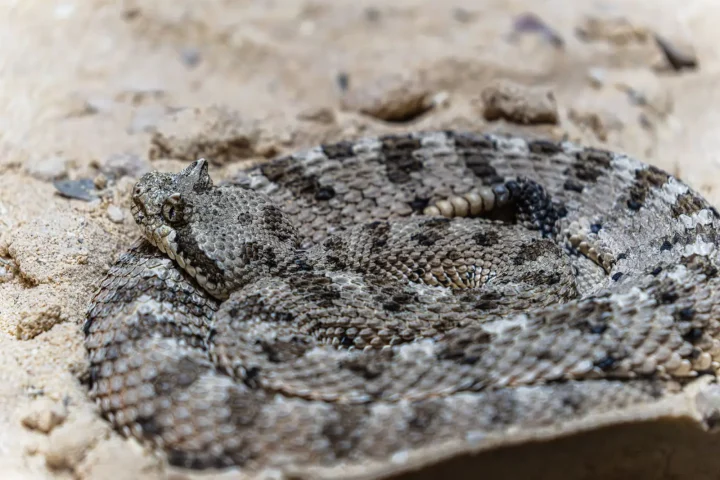
Habits, clothing and a plan. What extension services and medical sources recommend before you go, and the first-aid steps and mistakes to know.
Read guide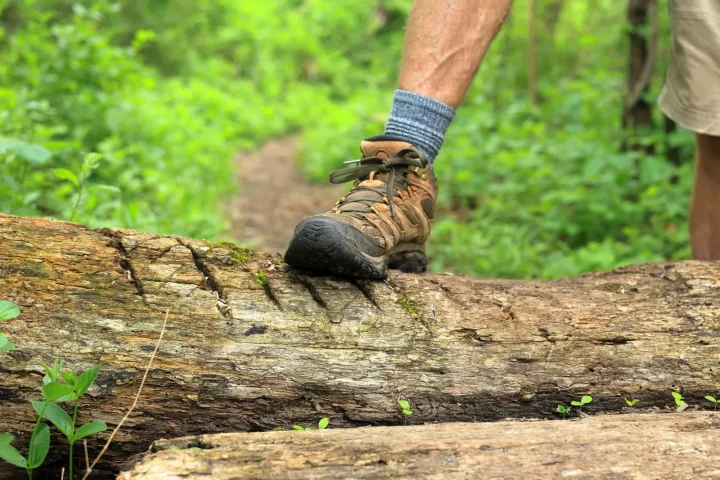
How-To
Hiking in Snake Country: Boots, Gaiters or Neither?
Most of staying safe on the trail is habit, not hardware. Here is how to decide how much leg protection to carry, and what…
Read guide
Buying Guide
How to Choose Snake Boots: 9 Things to Check Before You Buy
A practical way to compare snake boots on facts instead of marketing: protection claims, shaft height, materials, waterproofing, fit, weight, closures, traction and care.
Read guide
Checklist
Before You Buy Snake Boots: An 8-Point Checklist
Eight things to confirm before you click buy, in a checklist you can tick off and come back to. It is saved only in…
Read guide