Do Snake Boots Really Work? What the Evidence Does (and Doesn’t) Show
Boots can reduce risk to the leg they cover, but independent evidence on specific products is thin. Here is what bite data, a lab study and extension advice support, and where claims run out.
As an Amazon Associate, SnakeBootGuide.com may earn from qualifying purchases.
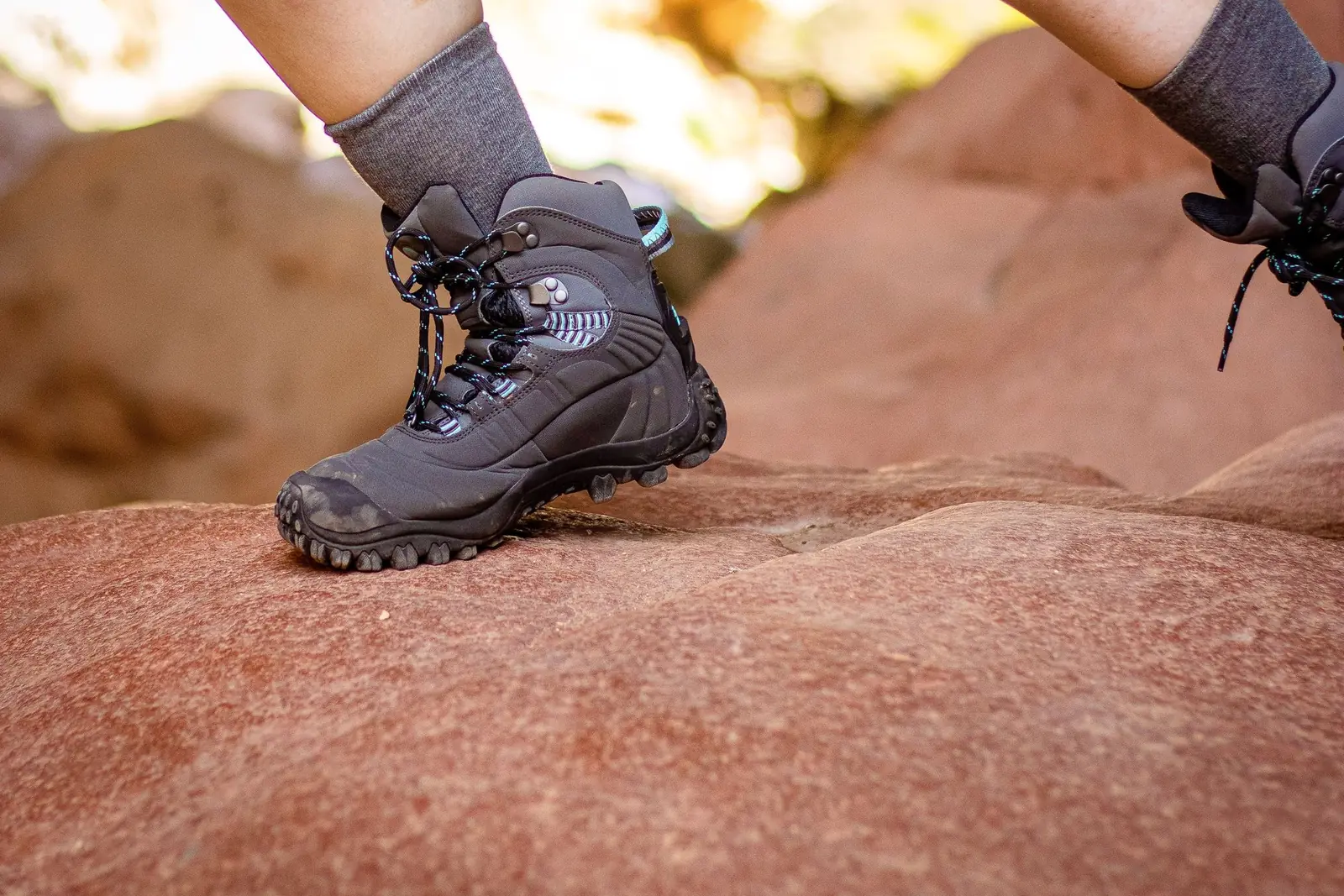
If you search for snake boots, you will find confident promises everywhere. If you look for independent evidence, you will find much less. So do they work? The honest answer is “they can reduce risk to the part of the leg they cover, but nothing guarantees protection, and hard evidence on individual products is thin.”
This guide separates what the data and sources support from what is marketing. We link our sources so you can check them.
What the bite data shows
A 2019 study of US emergency department visits in 2016 counted 11,138 visits for venomous snakebites (Jaramillo et al., Trauma Surgery & Acute Care Open). By body location:
- 44% involved the wrist, hand or fingers.
- 30% involved the ankle or foot.
- 16% involved the knee or lower leg.
The authors note that many hand and finger bites may reflect people touching or grasping snakes, and that children’s bites were more often on the legs. The takeaway for footwear: a large share of bites happen where boots could matter, and a large share happen where they cannot.
What a laboratory study suggests about clothing
A laboratory study published in Annals of Emergency Medicine reported that denim clothing reduced the amount of venom rattlesnakes expended when striking defensively at model human limbs (Herbert & Hayes). It tested model limbs and denim, not boots, so it cannot tell us how any particular snake boot performs. It does suggest that layers of material can change what happens in a strike.
What extension services advise
Colorado State University Extension’s peer-reviewed guidance advises wearing long, loose pants and calf-high leather boots, or preferably snake guards, in rattlesnake country. It also advises never jumping over logs, turning over rocks, reaching into crevices or sitting down without checking, and it notes that rattlesnakes do not always rattle before striking.
That is advice to reduce risk through clothing and behavior. It is not a claim that any product is bite-proof.
What is not supported
| Claim you may see | What we can say |
|---|---|
| “Guaranteed protection” | No product can guarantee protection from every bite. |
| “Tested and proven” with no details | Unverifiable without the method and who ran it. See what the labels mean. |
| “Stops every fang” | We have not found independent testing that supports a claim this broad for any specific boot. |
| “Protects your whole leg” | Coverage ends at the top of the shaft or garment. |
So what do snake boots actually do?
Based on the sources above, a reasonable summary is:
- Footwear and clothing can reduce risk to the area they cover, and advisers recommend calf-high boots or snake guards in rattlesnake country.
- Protection depends on construction, coverage and how a bite happens, so no product can guarantee it.
- Many bites involve hands and arms, so habits matter as much as hardware.
- Manufacturers’ own claims vary, and independent test data on specific products is hard to find.
How to use this information
- Decide whether added leg protection suits your terrain and risk comfort (see hiking and hunting).
- If you buy, read the protection claim critically using our buying guide.
- Keep your habits. See how to lower your snakebite risk.
- Have an emergency plan: if someone is bitten, call 911 right away.
General information, not medical advice
If anyone is bitten by a snake, call 911 or your local emergency number right away. Do not wait for symptoms to appear.
Frequently asked questions
Are snake boots worth it?
That depends on where you go, how much time you spend near cover and your own risk comfort. They may reduce risk to the part of the leg they cover, but they cannot guarantee protection and do nothing for hands and arms.
Can a snake bite through a boot?
It depends on the boot, the snake and how the strike happens, and we have not found independent evidence that settles it for specific products. That is why we recommend checking the manufacturer’s claim and not relying on any single layer.
Do regular hiking boots protect against snakes?
Ordinary hiking boots are not designed or marketed as snake protection unless the manufacturer says so, and they end at the collar.
Sources and further reading
- Jaramillo et al., The "T's" of snakebite injury in the USA: fact or fiction? (Trauma Surgery & Acute Care Open, 2019)
- Herbert & Hayes, Denim clothing reduces venom expenditure by rattlesnakes striking defensively at model human limbs (Annals of Emergency Medicine)
- Colorado State University Extension: Coping With Snakes
You May Also Like
Buying Guide
How to Choose Snake Boots: 9 Things to Check Before You Buy
A practical way to compare snake boots on facts instead of marketing: protection claims, shaft height, materials, waterproofing, fit, weight, closures, traction and care.
Read guide
How-To
How Tall Should Snake Boots Be? What the Numbers Do and Don’t Tell You
Shaft heights of roughly 15 to 18 inches are common, but there is no single right number. Learn how heights are measured, how to…
Read guide
How-To
Snake Boot Sizing Guide: How to Get the Right Fit
Tall boots have two fits to get right: the foot and the calf. Here is how to measure both, what to check when you…
Read guide
Comparison
Leather vs Rubber Snake Boots: Which Makes More Sense for Your Terrain?
Materials trade off water, breathability, weight, noise and care. Here are the general tendencies of leather and rubber, and why neither guarantees snake protection.
Read guide