Skip to content
SnakeBootGuide
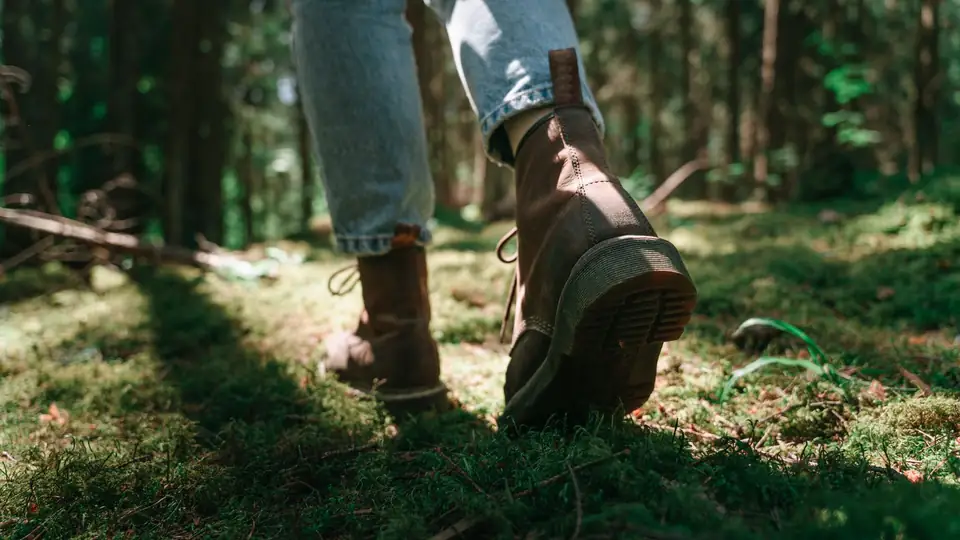
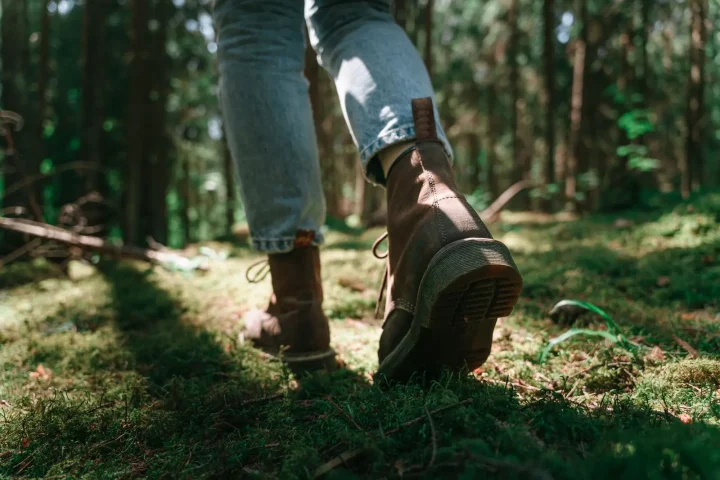
Brown leather boots walking along a sunlit woodland trail

Outdoor gear guides for snake country

Find the Right Snake Protection for Your Next Outdoor Trip

Compare snake boots, gaiters and protective gear by terrain, fit, waterproofing, coverage and outdoor use.

  • Manufacturer-sourced specs
  • Plain-English guides
  • Safety first

Photo: Ivan S / Pexels

Free planning tool

Not Sure What You Need?

Answer a few questions about your terrain, weather and priorities.

  • Six quick questions, about a minute
  • Points you to the guides that fit your setup
  • Nothing is sent to our servers

An educational starting point, not a guarantee of protection.

Tell us about your terrain, weather and priorities and we will point you to the type of gear and the guides that fit.

6 questions · about a minute · no sign-up

Guides by Terrain & Weather

All terrain guides

Latest Gear Guides

View all
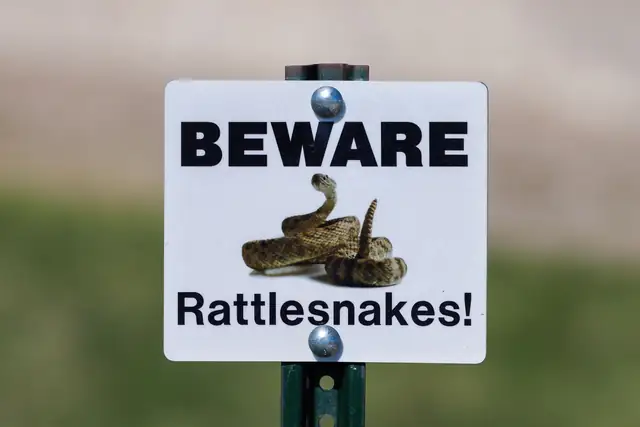
Warning sign reading Beware Rattlesnakes in a natural area

Safety & gear basics

Know the basics before you buy

Footwear is one layer of a bigger plan. These guides cover what the evidence says, how to read protection claims, and what to do if someone is bitten.

Read the safety basics

Compare Snake Protection

Three ways to protect your lower legs. These are general tendencies, so always check the details of the specific product.

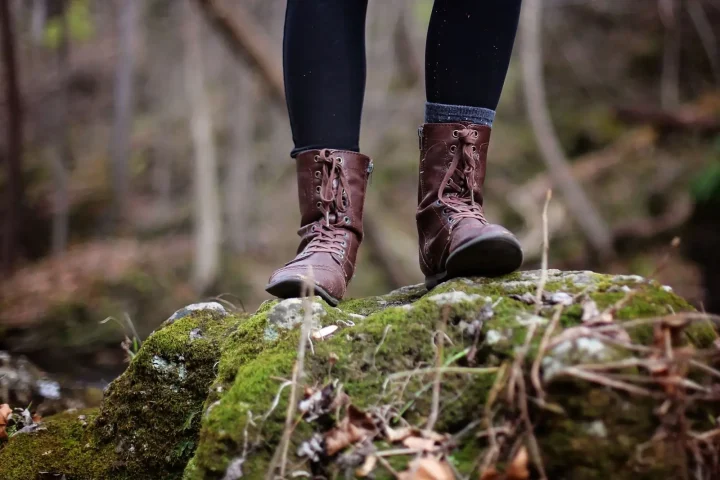
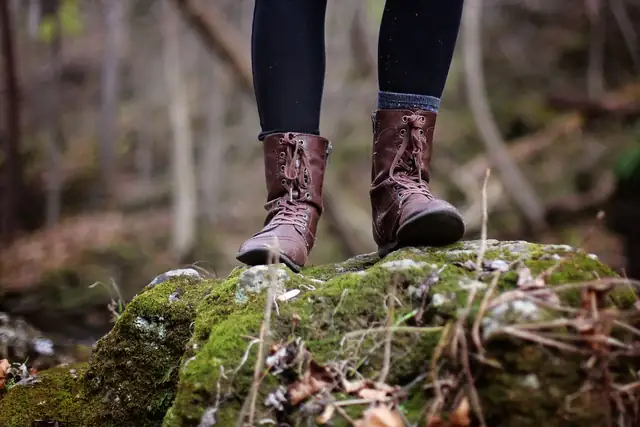
Tall leather boots standing on a mossy rock in a forest

Snake Boots

Best for full-foot and lower-leg coverage.

Coverage
Foot and lower leg, up to the top of the shaft
Typical use
Hunting, ranch work, hiking through tall grass
Water resistance
Varies by model; some are fully waterproof
Weight
Usually the heaviest of the three
Ease of use
Wear like any boot; sizing and break-in matter
Main advantages
Coverage and footwear in one piece, no extra straps
Check
Shaft height, the manufacturer's protection claim, calf fit
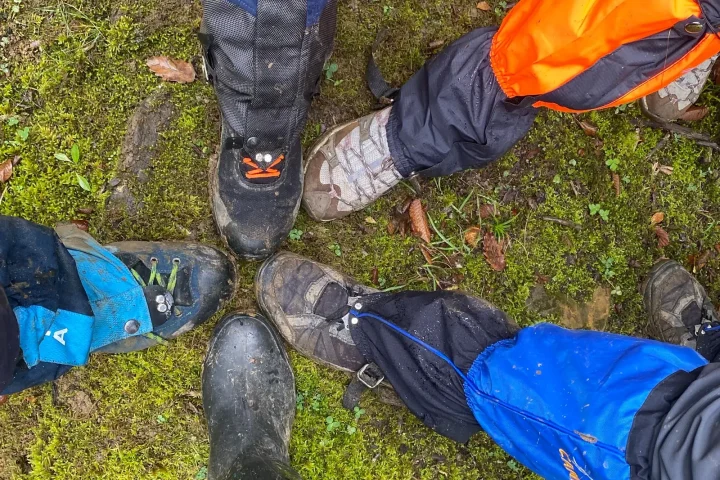
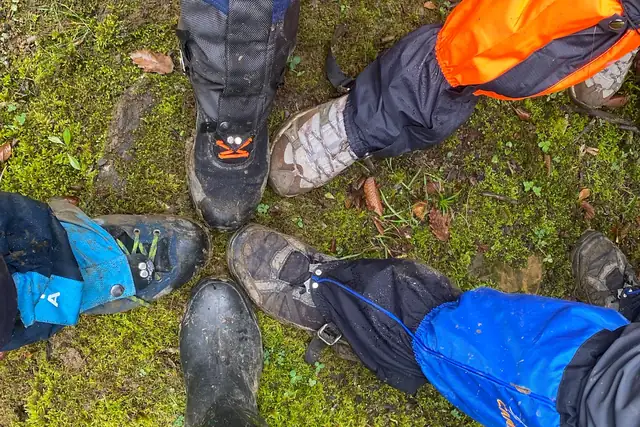
Overhead view of hikers' boots and gaiters gathered on mossy ground

Snake Gaiters

Useful when you want to keep your existing boots.

Coverage
Lower leg, over the top of your boot
Typical use
Hiking, hunting, light packing
Water resistance
Often water-resistant fabric, not sealed like a waterproof boot (varies)
Weight
Usually lighter and easy to pack
Ease of use
Extra step to fit; straps and closures to manage
Main advantages
Works with boots you own and comes off easily
Check
Boot compatibility, closure type, coverage height
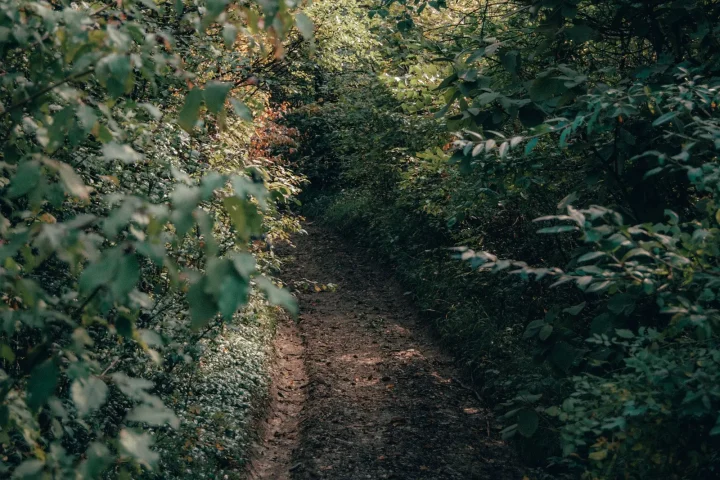
Narrow dirt trail winding through dense green brush

Snake Chaps

Useful for certain ranch, brush and work situations.

Coverage
Leg over your pants; length varies by model
Typical use
Ranch work, brush clearing, long days in heavy cover
Water resistance
Limited; varies by model
Weight
Adds bulk and heat; weight varies
Ease of use
Worn over pants and boots; some are quick to fasten
Main advantages
Cover more of the leg than gaiters; boots stay your own
Check
Length, closure, and how they pair with your boots

Compare Options

Common Questions

Short answers to what most people ask first.

Are snake boots snake-proof?

No product can guarantee protection from every bite. Snake boots may reduce risk to the part of the leg they cover, but coverage ends at the top of the shaft, construction varies by model, and manufacturers describe their own testing in different ways. Use them as one layer alongside awareness and an emergency plan.

Snake boots or gaiters: which is better?

Neither wins in every situation. Boots build coverage (and often waterproofing) into one piece. Gaiters are lighter and let you keep boots you already like. Chaps suit heavy brush. Our comparison tool walks through the trade-offs for your terrain.

How tall should snake boots be?

Many retail snake boots have shafts of roughly 15 to 18 inches, and Colorado State University Extension suggests calf-high leather boots or, preferably, snake guards in rattlesnake country. The right height depends on your terrain, your build and the manufacturer's stated coverage.

Do I need waterproof snake boots?

If you spend time on wet ground or in rainy seasons, waterproofing is worth prioritising. In hot, dry country, breathability may matter more. Waterproofing and snake protection are separate features, so check both.

Can I just wear regular tall boots?

Tall boots cover more of the leg than short ones, but ordinary boots are not designed or marketed as snake protection. Gaiters can add coverage over boots you already own.

What should I do if someone is bitten?

Call 911 or your local emergency number right away. Stay calm and still, remove jewelry and tight clothing before swelling starts, and keep the limb at about heart level. Do not use a tourniquet or ice, and do not cut the bite. This is general information, not medical advice.

Editorial approach

How We Evaluate Snake Boots

Our guides are research-based. We work from what manufacturers and credible sources publish, and we say plainly when something is missing.

What we look at

  • Manufacturer specifications and product documentation
  • Materials, construction and shaft height
  • Waterproofing claims, read as stated (waterproof is not water-resistant)
  • Fit considerations and weight, where published
  • Terrain suitability
  • Published testing information, when it genuinely exists
  • User-reported considerations, only when appropriately sourced

What we never do

  • No invented ratings, prices, review counts or test results
  • No claims of physical testing unless it actually happened
  • No "100% snake-proof" promises
  • Missing data is shown as "Not specified by manufacturer"