Snake Chaps: When They Make Sense (and When They Don’t)
Chaps cover more of the leg than gaiters, but they add heat and bulk. Here is where they earn their place, where they do not, and what to check before buying.
As an Amazon Associate, SnakeBootGuide.com may earn from qualifying purchases.
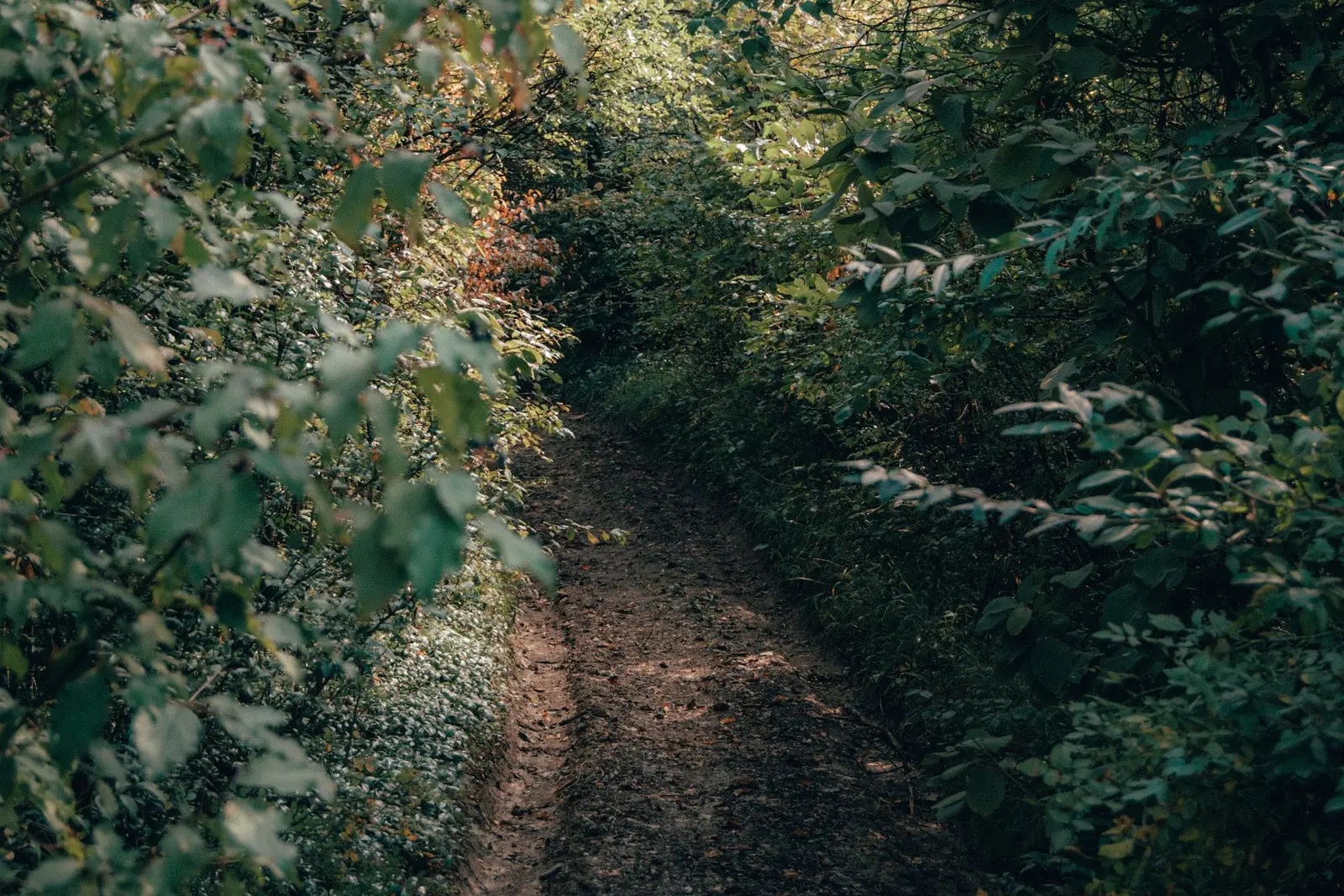
Snake chaps are the least discussed of the three main types of leg protection, and the most misunderstood. They are not a replacement for boots, and they are not for every outing. They do have a clear place: long days in thick cover, when you want coverage above the boot top and can live with the bulk. Here is when that applies and when it does not.
What snake chaps are
Snake chaps are protective leg coverings worn over your pants and boots. Designs differ in length, closures and fabric, and some are cut like work chaps while others are closer to leggings. Because of that variety, check each model’s description for how far it extends and what it says is protected.
Where chaps make sense
- Brush clearing and heavy cover: long stretches working right next to vegetation, where more of the leg is in contact with it.
- Ranch and farm work: long, varied days where you want to keep your usual work boots.
- When you want coverage above the boot top: chaps cover leg that boots and gaiters may not.
Where they tend to fall short
- Heat: they add a layer over your clothes, which can be a lot in summer.
- Bulk and mobility: climbing, crouching and long hikes can feel awkward.
- Not a boot: chaps cover the leg, so check how low they reach and what protects your foot and ankle.
- Getting on and off: closures and fit vary, which matters on a work day.
Chaps, gaiters and boots compared
| Factor | Chaps | Gaiters | Boots |
|---|---|---|---|
| Coverage | Leg over your pants; length varies | Lower leg, over the top of your boot | Foot and lower leg, up to the shaft top |
| Weight and bulk | Adds bulk and heat | Usually light | Usually the heaviest |
| Water resistance | Limited; varies by model | Varies; often water-resistant fabric | Varies; some are fully waterproof |
| Pairs with | Your own boots and pants | Your own boots | Stands alone |
| Best for | Brush, ranch work, long cover days | Hiking, light packing | Hunting, ranch, wet ground |
These are general tendencies, so check the model you are considering. For a wider comparison see snake boots vs gaiters, and the decision tool includes chaps.
Things to check before buying
- Coverage length: how far up the leg, and whether the knee is covered.
- Protection claim: what the maker says is protected, and how it describes testing.
- Closure and adjustability: especially over bulky work pants.
- How it pairs with your boots: check how low it extends.
- Heat and weight: for the season you will wear them.
- Fit while moving: test crouching, climbing and getting in and out of a vehicle.
Our snake chaps overview adds a checklist, and tall grass and brush looks at terrain.
Layers do not make anyone invincible
No product can guarantee protection from every bite, and bites also happen on hands and arms. In a 2016 US dataset, 44% of venomous bites that reached emergency departments involved the wrist, hand or fingers (Jaramillo et al.). Keep up your habits and never reach where you cannot see.
Looking at chaps? This link opens Amazon search results. We have not ranked or endorsed any listing.
Browse snake chaps on AmazonFrequently asked questions
Do snake chaps replace snake boots?
Not on their own. Chaps are leg coverings, so check how low they extend and what your footwear covers. The foot and ankle need their own protection if that is a concern.
Are chaps good for hiking?
Many hikers find boots or gaiters more comfortable, since chaps add bulk and heat. It depends on terrain and the season. See hiking in snake country.
Can I wear chaps with gaiters?
Some people combine layers, but compatibility and comfort vary and we cannot generalize. Check each manufacturer’s notes and try the combination before a long day.
Sources and further reading
You May Also Like

Buying Guide
Snake Boots for Tall Grass and Brush: Coverage, Heat and Snags
Dense cover raises different questions from open trail: how much leg to cover, how to manage heat, and what snags on brush. A terrain-first…
Read guide
Buying Guide
How to Choose Snake Boots: 9 Things to Check Before You Buy
A practical way to compare snake boots on facts instead of marketing: protection claims, shaft height, materials, waterproofing, fit, weight, closures, traction and care.
Read guide
Checklist
Before You Buy Snake Boots: An 8-Point Checklist
Eight things to confirm before you click buy, in a checklist you can tick off and come back to. It is saved only in…
Read guide
How-To
How Tall Should Snake Boots Be? What the Numbers Do and Don’t Tell You
Shaft heights of roughly 15 to 18 inches are common, but there is no single right number. Learn how heights are measured, how to…
Read guide