Snake Boot Sizing Guide: How to Get the Right Fit
Tall boots have two fits to get right: the foot and the calf. Here is how to measure both, what to check when you try them on, and how to break them in.
As an Amazon Associate, SnakeBootGuide.com may earn from qualifying purchases.
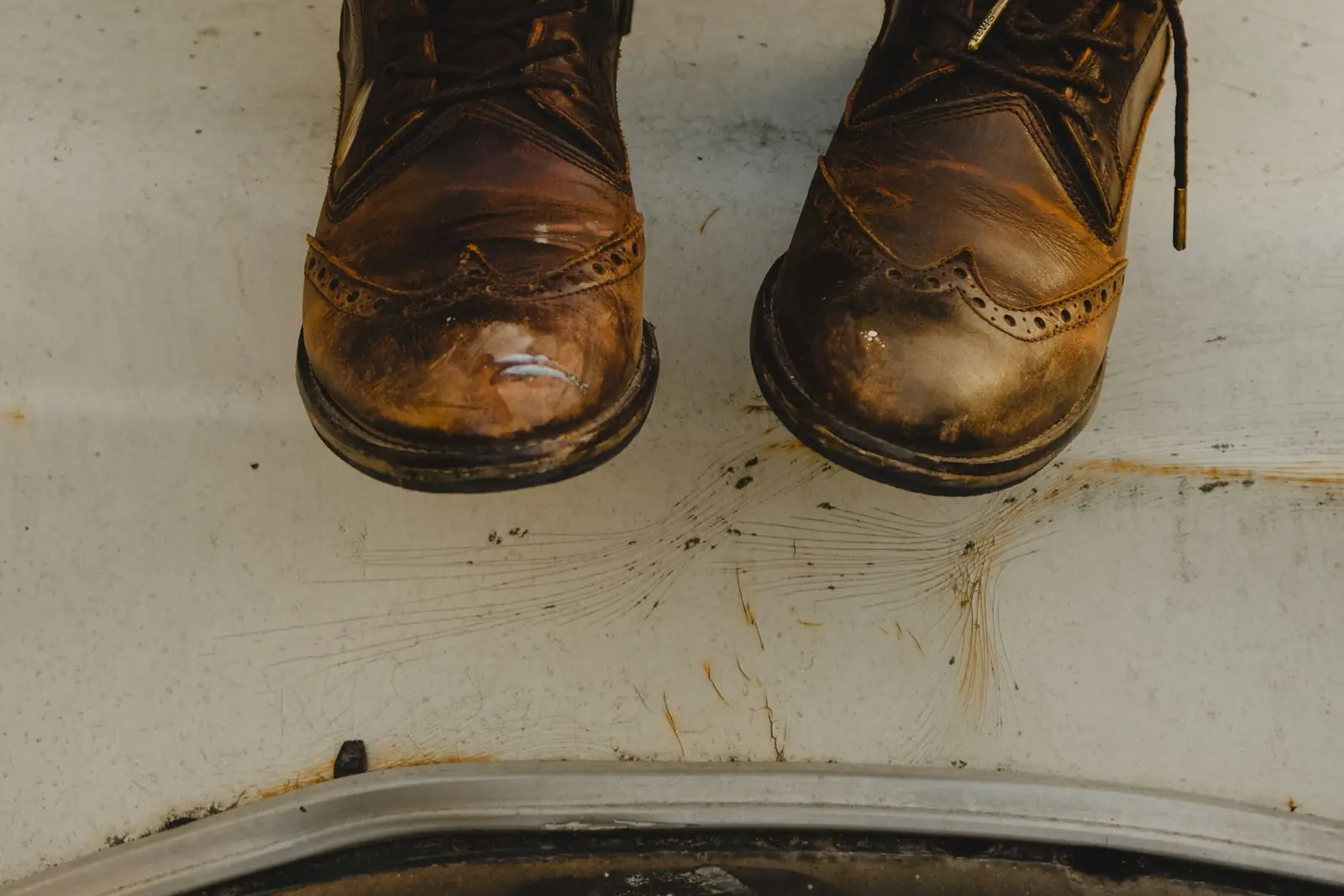
Tall boots have two fits to get right: the foot and the calf. Most sizing mistakes come from checking only one. This guide shows how to measure both, what to check when you try boots on, and how to break them in so you actually wear them.
Why fit matters more with tall boots
A boot that pinches, rubs or slips is a boot you will take off, and protective gear that stays in the truck protects nothing. A tall shaft also adds a second set of measurements: how the boot sits around the calf and behind the knee.
Step 1: Measure your foot
- Measure late in the day, when feet are at their largest.
- Wear the socks you will actually wear in the boots. Hunting socks and summer socks can differ a lot in thickness.
- Measure length and width, standing, and compare with the manufacturer’s size chart rather than your usual shoe size. Sizing varies between brands.
Step 2: Measure your calf and leg
Use a flexible tape around the widest part of your calf, wearing the pants or base layers you will wear in the field. Compare the number with the shaft circumference the manufacturer publishes for your size. Then measure your leg height (floor to the crease behind the knee, seated) to compare with the shaft height; the Boot Coverage Calculator can help.
If the circumference is not listed
Many listings give a shaft height but no calf circumference. Treat that fit as unverified. Check the manufacturer’s own page, ask them, or choose a model that publishes it.
Step 3: Know your closure
| Closure | Fit consequence |
|---|---|
| Pull-on | Simple and few parts, but the shaft circumference needs to suit your calf, and there is little adjustment. |
| Side zip | Easier on and off, and may add some adjustability. Check the quality and placement of the zip. |
| Lace-up | The most adjustable at the foot and ankle, but slower to put on and off. |
| Gussets, cinches, drawcords | Can change shaft width. Read how each works and test it with your pants. |
What to check when you try them on
- Toe room: your toes should not hit the front on a downhill step.
- Heel: a small amount of heel movement is common in new boots, but heel lift that causes blisters is a sign the fit is wrong.
- Instep: pressure over the top of the foot gets worse over a day.
- Shaft: look for rubbing on the calf and pressure behind the knee when you sit.
- Pants: make sure your usual pants sit comfortably over or inside the shaft.
Break them in before the trip
Wear new boots around the house, then on short walks, then on the kind of ground you will cover. Stiff shafts can rub until they soften. Our Break-In Planner builds a simple routine, and the Boot Fit Visualizer shows how height, calf size and socks interact.
Women’s, wide-calf and narrow fits
Women’s-specific boots and adjustable shafts exist, but availability varies by model. We have overviews for women’s fit and wide-calf fit with the questions to ask.
Check the return policy
Fit is personal, and a published size chart cannot catch everything. Before you buy, check how returns work, and try boots indoors first so they can still be returned.
Comparing sizes? This link opens Amazon search results. We have not ranked or endorsed any listing, so confirm size charts on the product page.
Browse wide-calf snake boots on AmazonFrequently asked questions
Should I size up for thick socks?
Measure and try boots with the socks you will wear. If you wear thick socks on cold days and thin ones in summer, check that the boots work with both.
How do I know the shaft will fit my calf?
Compare your measured calf circumference, over the layers you will wear, with the shaft circumference published for your size. If it is not published, the fit is unverified.
Is it normal for new boots to feel stiff?
Some stiffness is common, especially in leather shafts, and it often eases with wear. Pain, numbness or blisters are a sign to stop and reassess the fit.
Sources and further reading
You May Also Like
Buying Guide
How to Choose Snake Boots: 9 Things to Check Before You Buy
A practical way to compare snake boots on facts instead of marketing: protection claims, shaft height, materials, waterproofing, fit, weight, closures, traction and care.
Read guide
How-To
How Tall Should Snake Boots Be? What the Numbers Do and Don’t Tell You
Shaft heights of roughly 15 to 18 inches are common, but there is no single right number. Learn how heights are measured, how to…
Read guide
Comparison
Leather vs Rubber Snake Boots: Which Makes More Sense for Your Terrain?
Materials trade off water, breathability, weight, noise and care. Here are the general tendencies of leather and rubber, and why neither guarantees snake protection.
Read guide
Gear Basics
Are Snake Boots Waterproof? What to Check Before Buying
Waterproofing and snake protection are separate features. Learn the three ways boots keep water out and how to read the wording on a listing.
Read guide