“Snake Proof” vs “Snake Resistant”: What the Labels Actually Tell You
Marketing terms are not standards. Learn what to ask when a listing says snake proof, snake resistant or snake guard, and which red flags to watch for.
As an Amazon Associate, SnakeBootGuide.com may earn from qualifying purchases.
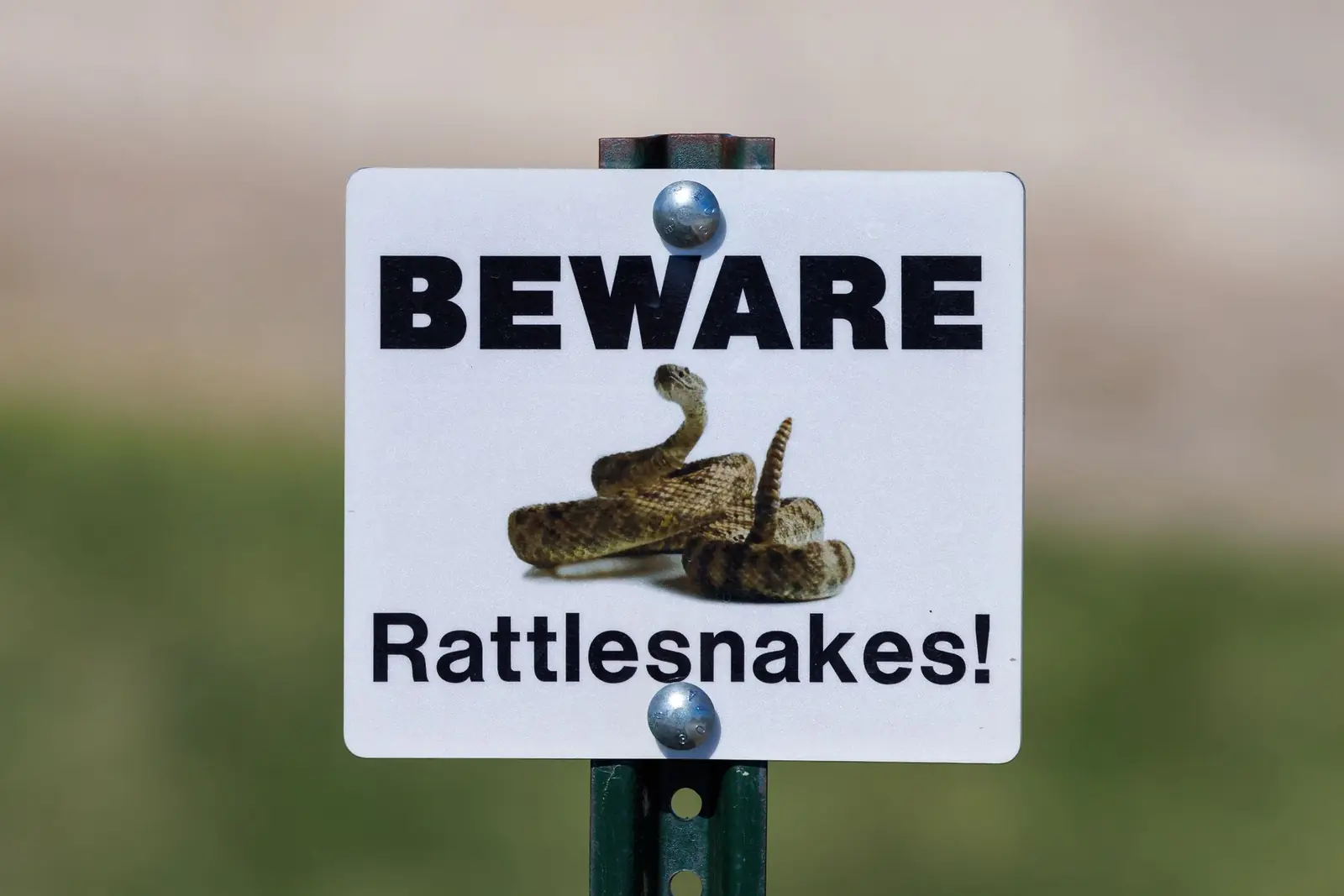
“Snake proof.” “Snake resistant.” “Snake guard.” “Snakebite protection.” These phrases appear on product pages as if they had a settled meaning. They do not. This guide explains what the labels can and cannot tell you, and gives you questions to ask before you trust one.
The labels are marketing terms
We have not found a widely recognized certification program for snake-proof footwear. That means there is no shared definition of “proof” or “resistant”, no common test every maker must pass, and no logo you can look for to confirm a claim. Different manufacturers use the same words to mean different things, and some use them with little or no detail.
That does not mean every claim is false. It means the label alone proves nothing.
Where test methods come in
Some makers refer to puncture-resistance test methods. ASTM F1342, for example, is a general standard for the puncture resistance of protective-clothing materials; it was not written specifically for snake bites. A reference to a test method can be a good sign, but only if you can find what was tested, on what part of the product, and by whom.
Ask whether testing was done in-house or by an independent laboratory, whether it covers the whole shaft or only part, and whether the results apply to every size and model in the line.
Five questions to ask any listing
- What exactly is protected? The whole shaft, certain panels, or only the front?
- What test method was used? Is it named, and can you look it up?
- Who ran the test? The manufacturer, or an independent lab?
- Does it apply to this model and size?
- Is the claim written down by the manufacturer (product page, documentation), or only implied by a seller’s title and photos?
Red flags
| You see | What it suggests |
|---|---|
| “100% guaranteed” or “bite proof” | An absolute promise that no honest source can make |
| A label with no detail | Nothing you can verify |
| The claim appears only in a seller’s title or bullet points | It may not come from the manufacturer |
| Photos of snakes but no description of construction | Marketing in place of information |
| No information on what is covered | You cannot tell how far protection extends |
What good information looks like
- A statement from the manufacturer of what part of the product is protective.
- A named test method and who performed it.
- Published shaft height, size range and materials.
- A plain statement of limits: coverage ends at the top of the shaft.
When a manufacturer does not publish something, we show it as “Not specified by manufacturer” instead of guessing.
What this means for your decision
Treat a protection claim as a starting point for questions. Pair it with practical checks such as height, fit and construction, and use our buying guide and checklist. For a summary of what bite data, a lab study and extension advice actually support, see do snake boots really work?
No product guarantees protection
Even a well-documented claim describes a product under stated conditions. It cannot guarantee protection from every bite. Follow manufacturer guidance, avoid handling snakes and keep an emergency plan.
Frequently asked questions
Is “snake proof” better than “snake resistant”?
There is no standard that ranks them. Treat both as marketing terms and look at the details of what is protected and how it was tested.
Does an ASTM test mean a boot is certified snake proof?
No. ASTM F1342 is a general puncture-resistance method for protective-clothing materials. A reference to it tells you something about what was measured, but it is not a snake-bite certification.
Why do you not recommend specific models?
We only name a specific product when we can verify its specifications from the manufacturer. Until then, we focus on how to evaluate claims yourself.
Sources and further reading
You May Also Like
Gear Basics
Do Snake Boots Really Work? What the Evidence Does (and Doesn’t) Show
Boots can reduce risk to the leg they cover, but independent evidence on specific products is thin. Here is what bite data, a lab…
Read guide
Safety
How to Lower Your Snakebite Risk Outdoors (and What to Do If Someone Is Bitten)
Habits, clothing and a plan. What extension services and medical sources recommend before you go, and the first-aid steps and mistakes to know.
Read guide
How-To
Hiking in Snake Country: Boots, Gaiters or Neither?
Most of staying safe on the trail is habit, not hardware. Here is how to decide how much leg protection to carry, and what…
Read guide
Gear Basics
Hunting in Snake Country: Gear and Habits for Spring and Fall
Long sits, thick cover and retrieving game from brush put hunters close to snake habitat. Here is how seasons, habits and gear fit together,…
Read guide