How to Lower Your Snakebite Risk Outdoors (and What to Do If Someone Is Bitten)
Habits, clothing and a plan. What extension services and medical sources recommend before you go, and the first-aid steps and mistakes to know.
As an Amazon Associate, SnakeBootGuide.com may earn from qualifying purchases.
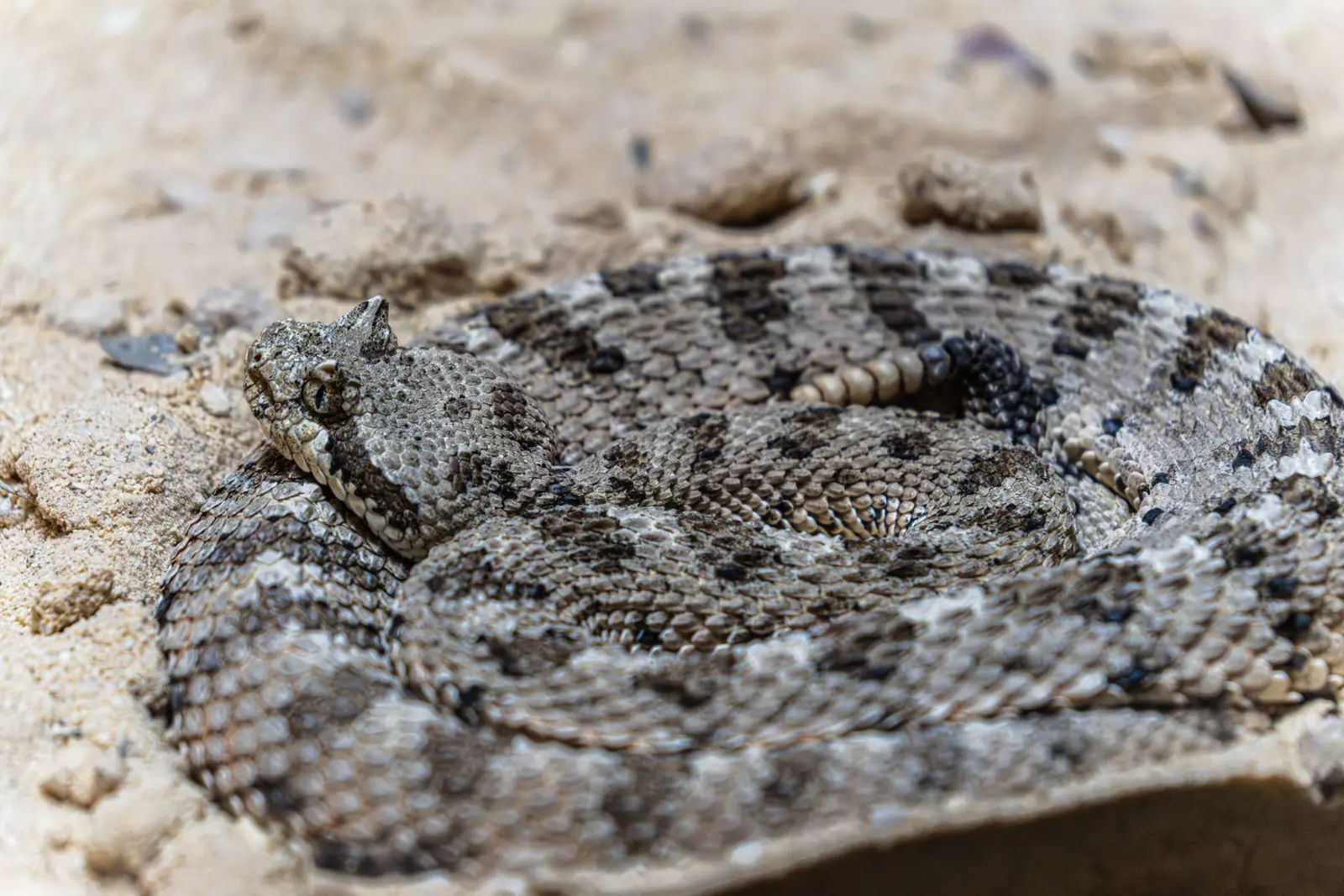
Staying safe in snake country is mostly about what you do before and during a trip: where you go, what you wear and what you never do. This guide gathers prevention advice from extension and medical sources, adds what bite data suggests, and covers the first-aid steps and common mistakes.
General information, not medical advice
If anyone is bitten by a snake, call 911 or your local emergency number right away. Do not wait for symptoms.
What bite data suggests
In a 2016 US dataset of emergency department visits for venomous snakebites, 44% involved the wrist, hand or fingers, 30% the ankle or foot, and 16% the knee or lower leg. Half of the visits happened in summer, and most (82%) were in the South (Jaramillo et al., 2019). Mayo Clinic notes that most snakebites happen on the arms, wrists or hands.
The practical point: gear for your legs addresses only part of the risk. Hands matter, and so does what you do around cover.
Before you go
- Know your local snakes. Your state wildlife agency can tell you which venomous species live where you go and when they are active.
- Dress for it. Colorado State University Extension advises long, loose pants and calf-high leather boots, or preferably snake guards, in rattlesnake country.
- Have a plan. Tell someone your route and when you will be back. Know where you have phone signal.
- Carry a charged phone. The same CSU guidance says the most useful snakebite first aid kit consists of car keys and a phone to call the hospital.
Our Trip Checklist Builder turns these into a printable list.
On the trail
- Watch where you step and sit. Look before you put a foot, a hand or yourself down.
- Do not jump over logs. Step on top first, then look.
- Never reach where you cannot see. That includes rock crevices, log piles and thick brush. CSU advises never turning over rocks or putting hands in crevices without checking.
- Alert them to your approach. CSU suggests sweeping grassy areas with a long stick before entering.
- Do not rely on a rattle. Rattlesnakes do not always rattle before striking.
- Back away calmly if you meet a snake: stay still, then move away slowly and carefully.
Never handle a snake
Do not pick up, move or provoke a snake, even one that looks dead. CSU notes that a dead rattlesnake, even a decapitated one, can still bite because its heat-sensing pits stay active until rigor mortis is complete.
Where footwear and gaiters fit in
Added leg protection is a personal choice that can reduce risk to the area it covers. No product can guarantee protection. See do snake boots really work? and how to choose snake boots.
If someone is bitten: first aid
These steps follow Mayo Clinic first-aid guidance. If possible, while waiting for medical help:
- Call 911 or your local emergency number right away. Do not wait for symptoms to appear. Many emergency rooms have antivenom.
- Move away from the snake.
- Stay still and calm.
- Remove jewelry, watches and tight clothing before swelling starts.
- Clean the bite with soap and water and cover it loosely with a clean, dry bandage.
- Keep the limb still and, if possible, at about heart level.
- If swelling develops, consider marking its edge and noting the time to help clinicians.
What not to do
| Do not | Why (per Mayo Clinic and CSU) |
|---|---|
| Use a tourniquet | Mayo Clinic and CSU both advise against it. |
| Apply ice | Mayo Clinic and CSU advise against it. |
| Cut the bite or try to remove the venom | Both sources advise against cutting; CSU also advises against sucking out venom. |
| Drink caffeine or alcohol, or take aspirin, ibuprofen or naproxen | Mayo Clinic advises against these; they can raise the risk of bleeding. |
| Try to catch or kill the snake | It can lead to more bites. Note its color and shape, or photograph it from a safe distance. |
In the US, the Poison Help line (1-800-222-1222) is also available for advice, but call emergency services first for a suspected venomous bite.
Frequently asked questions
Do I need snake boots to be safe outdoors?
No product is required, and none guarantees safety. Habits do most of the work. Boots or gaiters are an optional layer for the area they cover.
What time of year are bites most common?
In the 2016 US dataset above, summer accounted for 50% of venomous bite visits, fall 26%, spring 22% and winter 2%. Conditions vary by region, so check with your state wildlife agency.
Should I try to identify the snake?
Only if you can do so safely. Note its color and shape, or take a photo from a distance. Never try to catch or kill it, and do not delay getting emergency care.
Sources and further reading
You May Also Like
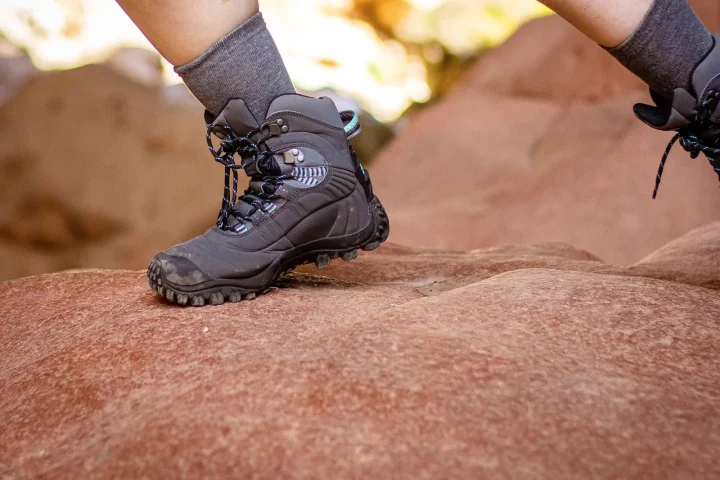
Gear Basics
Do Snake Boots Really Work? What the Evidence Does (and Doesn’t) Show
Boots can reduce risk to the leg they cover, but independent evidence on specific products is thin. Here is what bite data, a lab…
Read guide
Gear Basics
“Snake Proof” vs “Snake Resistant”: What the Labels Actually Tell You
Marketing terms are not standards. Learn what to ask when a listing says snake proof, snake resistant or snake guard, and which red flags…
Read guide
How-To
Hiking in Snake Country: Boots, Gaiters or Neither?
Most of staying safe on the trail is habit, not hardware. Here is how to decide how much leg protection to carry, and what…
Read guide
Gear Basics
Hunting in Snake Country: Gear and Habits for Spring and Fall
Long sits, thick cover and retrieving game from brush put hunters close to snake habitat. Here is how seasons, habits and gear fit together,…
Read guide