Hiking in Snake Country: Boots, Gaiters or Neither?
Most of staying safe on the trail is habit, not hardware. Here is how to decide how much leg protection to carry, and what to put in your emergency plan.
As an Amazon Associate, SnakeBootGuide.com may earn from qualifying purchases.
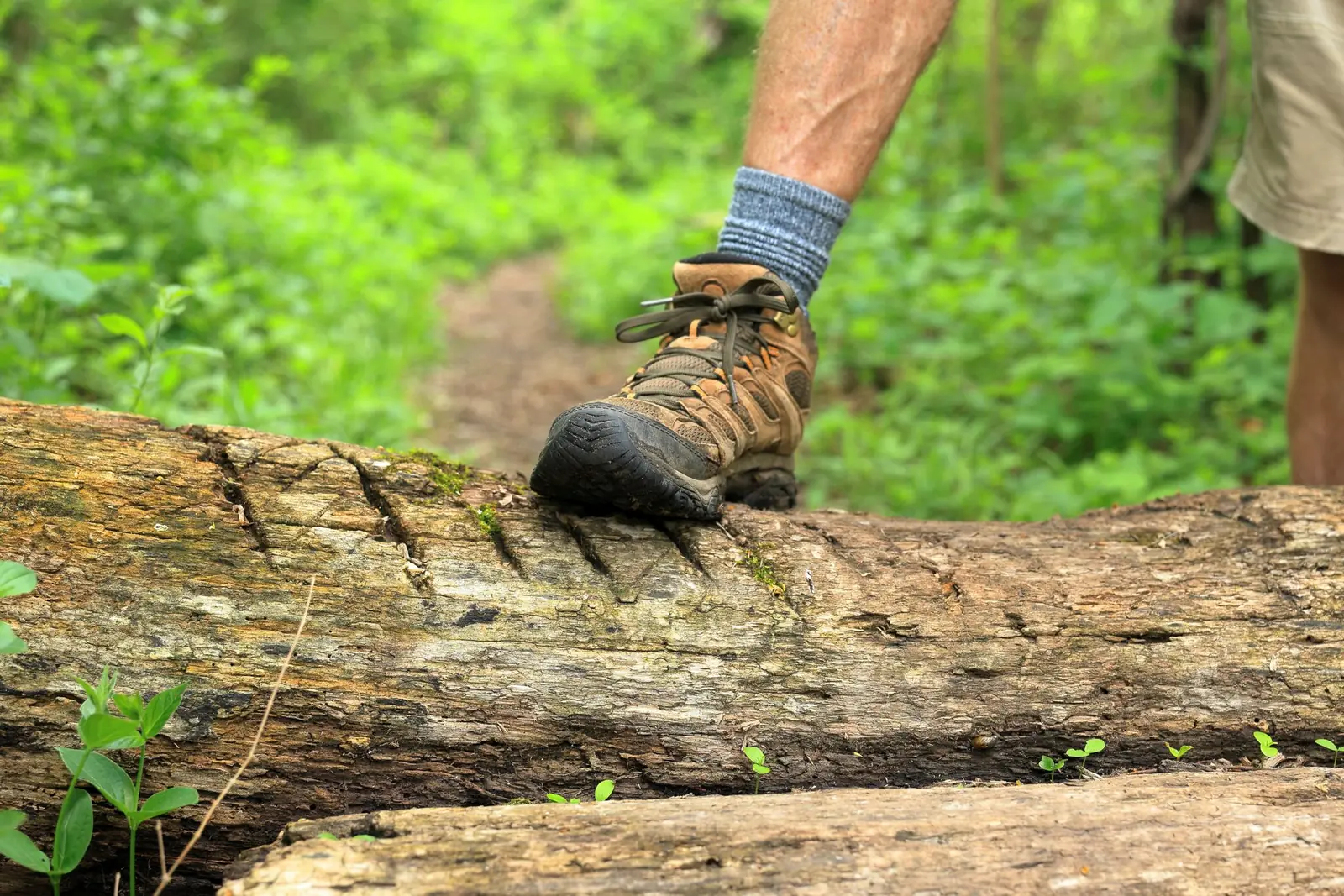
On the trail, the weight of what you carry and the comfort of what you wear usually win. Many hikers rely on good boots and sensible habits, and some add extra leg protection in tall grass or brush. This guide helps you decide how much protection to carry, and what to put in your emergency plan.
Habits do most of the work
Most of staying safe in snake country comes from what you do:
- Stay on cleared, visible trails where you can.
- Watch where you step and where you sit.
- Step on logs and rocks first, then look, instead of stepping over blindly.
- Never reach into places you cannot see.
- Never handle a snake, even one that looks dead.
Colorado State University Extension also notes that rattlesnakes do not always rattle before striking, so do not rely on hearing one. Mayo Clinic notes that most snakebites happen on the arms, wrists or hands, which is a reminder that habits protect more than footwear can.
How much leg protection do you want?
| Level | What it looks like | When it may suit |
|---|---|---|
| Habits only | Regular hiking boots and long pants | Cleared, well-used trails; short outings |
| Light add-on | Snake gaiters over your hiking boots | Tall grass or brush on trail edges, where you want lightweight, removable coverage |
| Dedicated boots | Calf-high snake boots | Longer days in heavy cover; weigh the added weight and heat |
This is a personal decision, not a rule. Ordinary hiking boots are not designed or marketed as snake protection unless the manufacturer says so. See snake boots vs gaiters and snake-country hiking gear.
Weight and comfort
Every ounce adds up. Compare published weights where manufacturers give them, make sure gaiters fit over your boots, and test any setup on a short hike first. Heat is a factor too; see snake boots for hot weather.
Gear that helps
- Trekking poles or a stick to probe ahead in vegetation.
- A charged phone and a power bank. CSU’s guidance says the most useful snakebite first aid kit consists of car keys and a phone.
- Water, a basic first-aid kit and a map.
Your emergency plan
- Tell someone your route and when you will be back.
- Know where you have phone signal, and where you do not.
- Know the nearest road or trailhead.
- If someone is bitten, call 911 right away, keep them calm and still, and follow the first-aid steps in our snakebite risk guide. Do not use a tourniquet, ice or cutting.
Build a printable list with the Trip Checklist Builder, or plan terrain, weather and gear in the Habitat & Trip Planner.
Not sure what you need?
Answer a few questions in the Snake Boot Match Quiz or try the Boot Coverage Calculator.
Looking at lighter options? These links open Amazon search results. We have not ranked or endorsed any listing.
Browse hiking gaiters on Amazon Browse trekking poles on Amazon
Frequently asked questions
Do hikers need snake boots?
Dedicated snake boots are a personal choice. Many hikers rely on habits and regular hiking boots, and add gaiters or boots in tall grass or brush where venomous snakes live.
Are gaiters enough?
Gaiters add lower-leg coverage over your boots, but they do not protect hands and arms, and no product guarantees protection. Check each product’s claim and keep up your habits.
What is the lightest way to add protection?
Gaiters are usually lighter than dedicated boots, but compare published weights and check fit over your existing boots.
Sources and further reading
You May Also Like
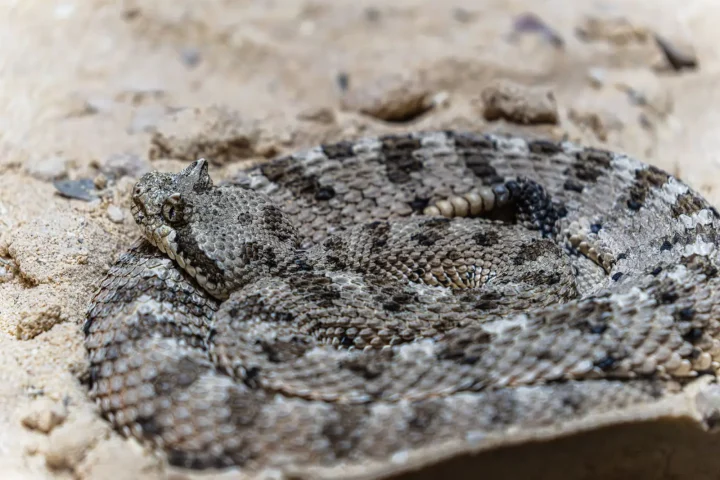
Safety
How to Lower Your Snakebite Risk Outdoors (and What to Do If Someone Is Bitten)
Habits, clothing and a plan. What extension services and medical sources recommend before you go, and the first-aid steps and mistakes to know.
Read guide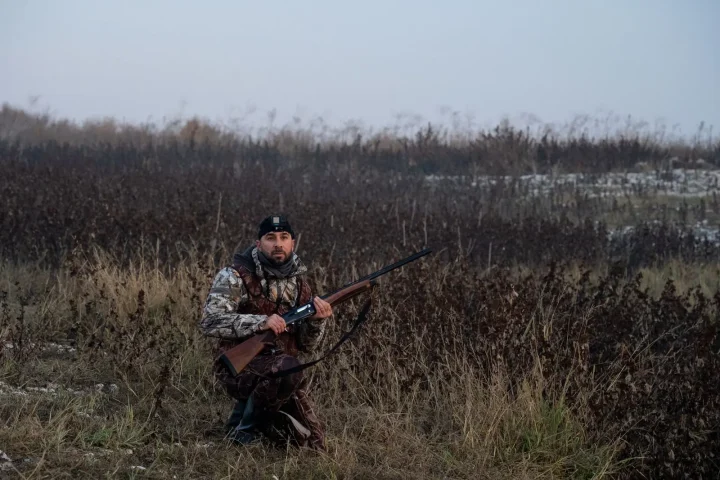
Gear Basics
Hunting in Snake Country: Gear and Habits for Spring and Fall
Long sits, thick cover and retrieving game from brush put hunters close to snake habitat. Here is how seasons, habits and gear fit together,…
Read guide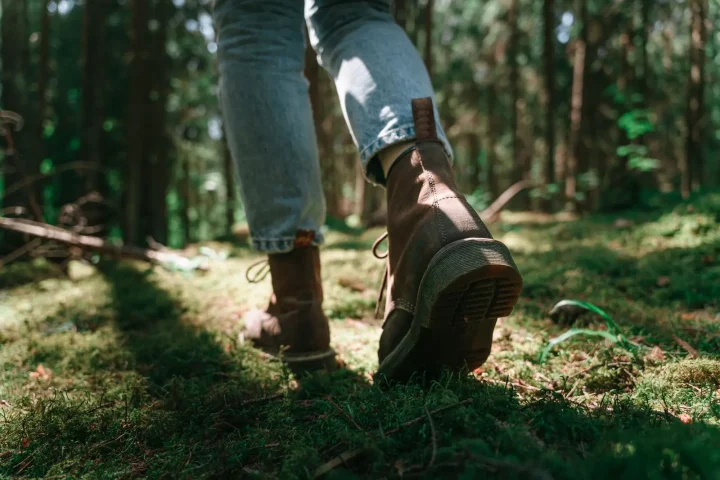
Buying Guide
How to Choose Snake Boots: 9 Things to Check Before You Buy
A practical way to compare snake boots on facts instead of marketing: protection claims, shaft height, materials, waterproofing, fit, weight, closures, traction and care.
Read guide
Checklist
Before You Buy Snake Boots: An 8-Point Checklist
Eight things to confirm before you click buy, in a checklist you can tick off and come back to. It is saved only in…
Read guide