Leather vs Rubber Snake Boots: Which Makes More Sense for Your Terrain?
Materials trade off water, breathability, weight, noise and care. Here are the general tendencies of leather and rubber, and why neither guarantees snake protection.
As an Amazon Associate, SnakeBootGuide.com may earn from qualifying purchases.
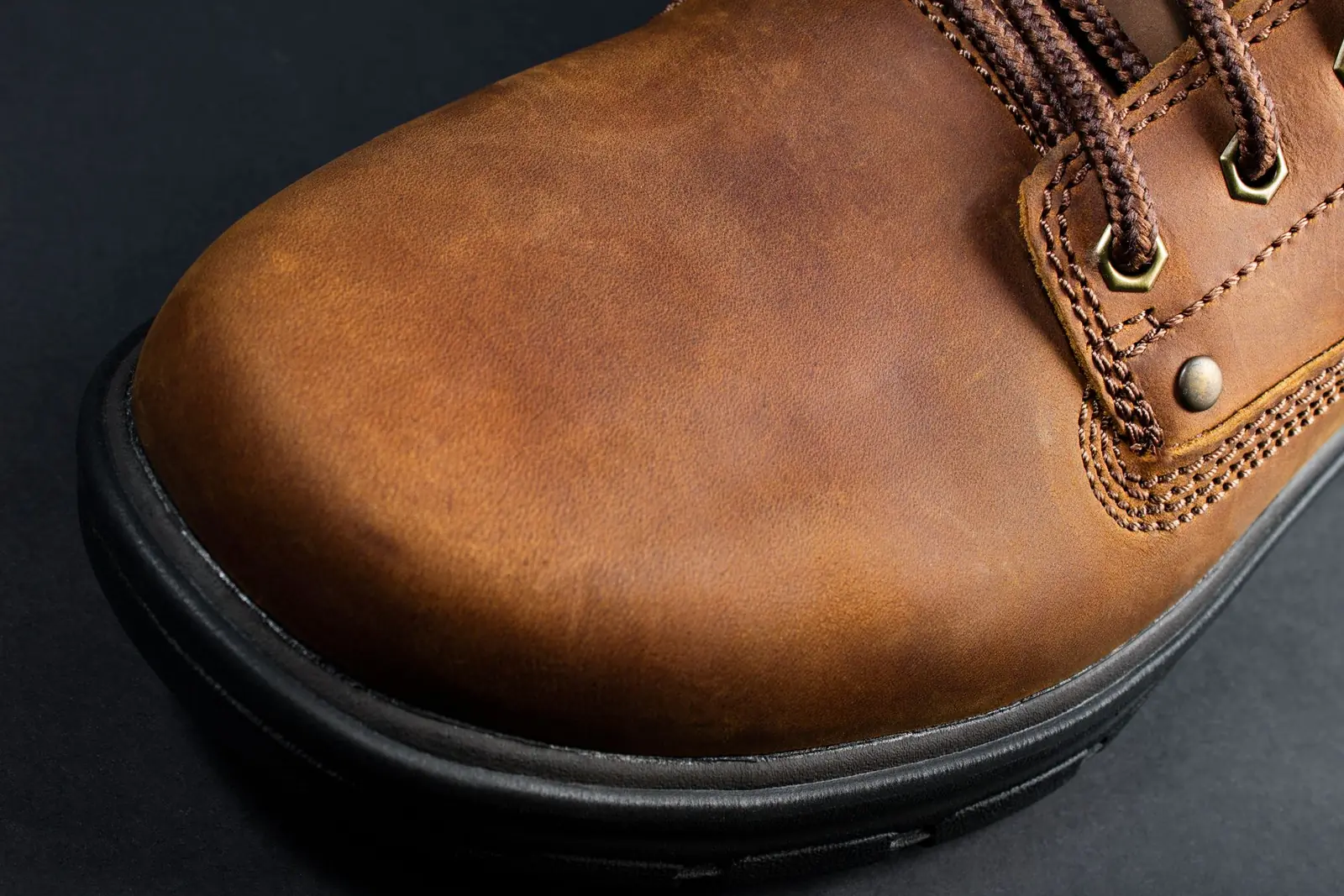
Leather and rubber are the two materials people argue about most when they choose tall protective boots. Both can work well, and both can disappoint, depending on your terrain, your climate and the specific model. This guide lays out the general tendencies so you can decide what to prioritize.
These are tendencies, not product claims. Construction varies enormously between models, and some boots combine materials. Always read what the manufacturer says about the boot you are considering.
The short version
| Factor | Rubber (general tendency) | Leather (general tendency) |
|---|---|---|
| Water | Waterproof by nature, if the rubber is intact and water does not come over the top | Needs treatment, sealed seams or a membrane to resist water |
| Breathability | Tends to be lower, so feet can feel warmer and damper | Tends to breathe better, though membranes can reduce this |
| Weight | Varies; rubber shafts can feel heavy, especially when wet or muddy | Varies; often lighter, but thick leather shafts add weight |
| Noise | Can be louder or squeakier on some surfaces | Often quieter underfoot once broken in |
| Cleaning | Easy to rinse, quick to wipe down | Needs more care: cleaning, drying and re-treating |
| Break-in | Often shorter, though fit can be less adjustable | Can take longer, then molds to the foot |
| Repair | A cut or crack can be hard to repair | Often resoleable or repairable, depending on construction |
When rubber tends to make sense
- Standing water, marsh and mud where you will be wading or working wet all day.
- Jobs where boots must be hosed off, such as farm work.
- Cool or mild weather, where the lower breathability matters less.
See snake boots for swamps and wet ground for more on wet terrain.
When leather tends to make sense
- Long days on foot, where breathability and weight matter more.
- Warm, dry or mixed terrain.
- Quiet work such as hunting, where underfoot noise matters.
Leather boots rely on treatment, sealed seams or a membrane for water protection, so check how the specific model handles it. See are snake boots waterproof?
Hybrids and other materials
Some boots combine a rubber lower with a different upper material, and some use textile or synthetic shafts. These can mix the benefits and drawbacks above, so read the materials description and look for how the manufacturer says each section behaves.
Material does not decide snake protection
Whether a boot resists a fang depends on how it is constructed and what the manufacturer says it has tested, not simply on the material. A rubber boot is not snake-proof by default, and neither is a leather one. Colorado State University Extension recommends calf-high leather boots or, preferably, snake guards in rattlesnake country; its advice describes a type of footwear, not a certification. See what snake-proof labels tell you.
How to decide
Start with terrain and climate, then compare protection claims, height, fit and published weights across the models you are considering. The Snake Boot Match Quiz can point you toward the right type, and the buying guide lists the checks.
Comparing materials? These links open Amazon search results. We have not ranked or endorsed any individual listing.
Browse rubber snake boots on Amazon Browse leather snake boots on Amazon
Frequently asked questions
Are rubber boots snake proof?
Not by default. Whether any boot resists fang penetration depends on its construction and on the manufacturer’s testing, and there is no universal certification. Check the protection claim for the specific model.
Is leather better than rubber for snake protection?
We cannot say that either material is better for protection in general. Compare the manufacturer’s claims about what is protected and how it was tested.
Which is better for hot weather?
Leather and textile builds tend to breathe better than rubber, but individual models vary. Read the specific materials description, and see snake boots for hot weather.
Sources and further reading
You May Also Like
Buying Guide
How to Choose Snake Boots: 9 Things to Check Before You Buy
A practical way to compare snake boots on facts instead of marketing: protection claims, shaft height, materials, waterproofing, fit, weight, closures, traction and care.
Read guide
How-To
How Tall Should Snake Boots Be? What the Numbers Do and Don’t Tell You
Shaft heights of roughly 15 to 18 inches are common, but there is no single right number. Learn how heights are measured, how to…
Read guide
How-To
Snake Boot Sizing Guide: How to Get the Right Fit
Tall boots have two fits to get right: the foot and the calf. Here is how to measure both, what to check when you…
Read guide
Gear Basics
Are Snake Boots Waterproof? What to Check Before Buying
Waterproofing and snake protection are separate features. Learn the three ways boots keep water out and how to read the wording on a listing.
Read guide