Snake Boots for Hot Weather: Staying Cooler Without Giving Up Coverage
Summer is when many people are outdoors, and heat is why some skip protective gear. Here are real trade-offs between boots, gaiters and lighter builds.
As an Amazon Associate, SnakeBootGuide.com may earn from qualifying purchases.

Summer is when many people are outside, and heat is one of the main reasons people leave protective gear at home. A tall boot that cooks your feet is not protecting anyone if it stays in the truck. Here are the real trade-offs, and what you can do about them.
Why heat matters for snake safety
In a 2016 US dataset of emergency department visits for venomous snakebites, summer months accounted for half of all visits (50%), with fall at 26%, spring at 22% and winter at 2% (Jaramillo et al.). People are outdoors more in warm months, and snakes are active in mild conditions: Colorado State University Extension notes that snakes, being ectothermic, avoid temperature extremes and prefer mild conditions.
The practical point is that your hot-weather setup has to be something you will actually wear.
Ways to stay cooler
- Lighter or more ventilated boots: some models describe lighter materials or ventilation panels. Read the specific description, since the word “breathable” on its own means little. Our lightweight snake boots overview covers the checks.
- Gaiters over lighter boots: this lets you keep a lighter boot and add lower-leg coverage you can remove. See snake boots vs gaiters.
- Socks: moisture management makes a difference, so test sock choices before a long day.
- Shorter shafts: less shaft is less heat but also less coverage. Decide what coverage you need first.
- Timing: if your plans are flexible, the cooler parts of the day are more comfortable.
Comparing the options in heat
| Option | Heat | Coverage | Notes |
|---|---|---|---|
| Tall protective boots | Usually the warmest | Built into the boot, up to the top of the shaft | Check breathability details and published weight |
| Lighter or ventilated boots | Can be cooler | Varies; check the stated shaft height and protection claim | Do not trade coverage you need for lightness |
| Gaiters over regular boots | Depends on the gaiter fabric and your boots | Lower leg over the boot | Removable when you do not need them; check compatibility |
| Chaps | Adds a layer over pants | Leg above the boot | Often the warmest add-on; see when chaps make sense |
Look for specifics, not buzzwords
When a listing says “lightweight” or “breathable”, look for details: a published weight (and whether it is per boot or per pair), the materials used, and how ventilation is built in. If a maker does not publish them, treat them as unknown.
Staying safe in the heat
Heat is a safety issue in its own right. Carry enough water, take breaks in shade, and know the signs of heat illness. Do not skip your trail habits to save time: watch where you step and sit, and never reach where you cannot see. Our snakebite risk guide covers the basics.
Looking at lighter options? These links open Amazon search results. We have not ranked or endorsed any listing.
Browse lightweight snake boots on Amazon Browse lightweight gaiters on Amazon
Frequently asked questions
Are lightweight snake boots as protective as heavier ones?
We cannot say without specifics. Protection depends on the materials and height the manufacturer describes, so compare those claims directly instead of assuming weight reflects protection.
Do I need snake boots in hot weather at all?
That is a personal decision based on where you go. Habits matter a lot, and gaiters or boots are an optional extra layer where venomous snakes live. See hiking in snake country.
Are rubber boots too hot for summer?
Rubber tends to be less breathable, which can feel warmer, but it depends on the model, your socks and the conditions. See leather vs rubber.
Sources and further reading
You May Also Like
Buying Guide
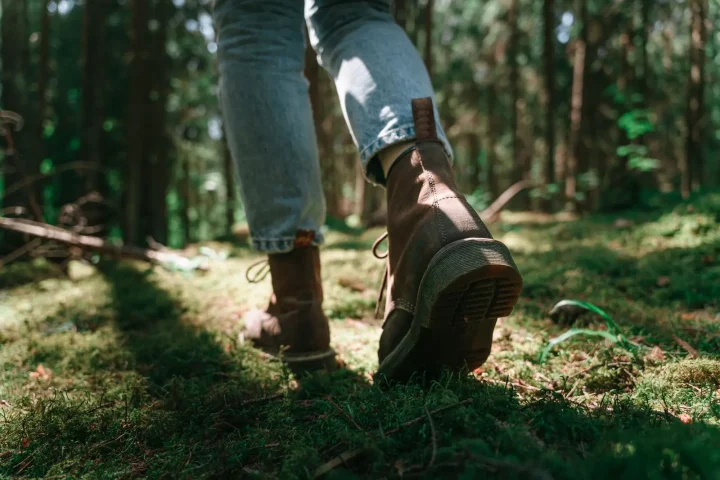
How to Choose Snake Boots: 9 Things to Check Before You Buy
A practical way to compare snake boots on facts instead of marketing: protection claims, shaft height, materials, waterproofing, fit, weight, closures, traction and care.
Read guide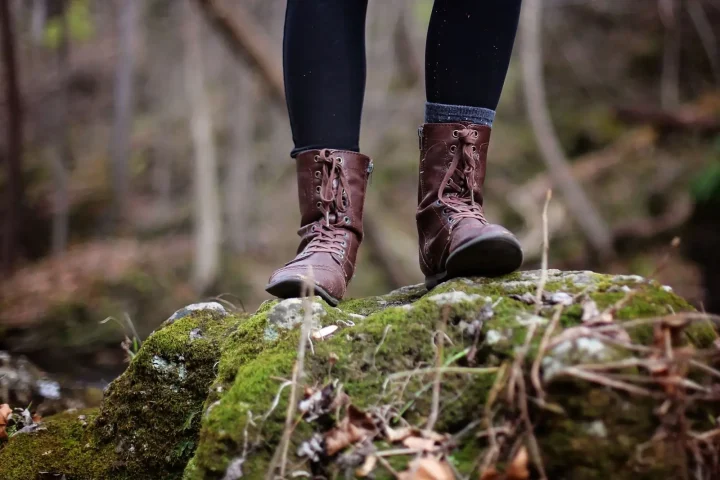
How-To
How Tall Should Snake Boots Be? What the Numbers Do and Don’t Tell You
Shaft heights of roughly 15 to 18 inches are common, but there is no single right number. Learn how heights are measured, how to…
Read guide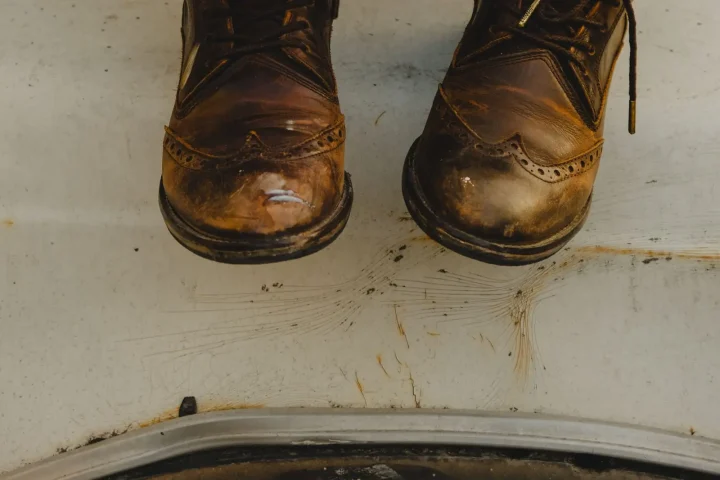
How-To
Snake Boot Sizing Guide: How to Get the Right Fit
Tall boots have two fits to get right: the foot and the calf. Here is how to measure both, what to check when you…
Read guide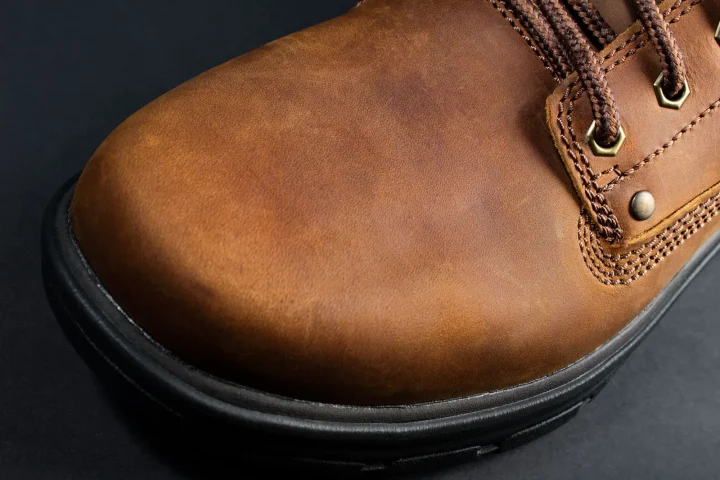
Comparison
Leather vs Rubber Snake Boots: Which Makes More Sense for Your Terrain?
Materials trade off water, breathability, weight, noise and care. Here are the general tendencies of leather and rubber, and why neither guarantees snake protection.
Read guide