Snake Boots for Swamps and Wet Ground: What Actually Matters
Standing water, mud and long wet days change what you need from a boot. Depth, waterproofing, traction and drying all matter, and none of them is the same as snake protection.
As an Amazon Associate, SnakeBootGuide.com may earn from qualifying purchases.
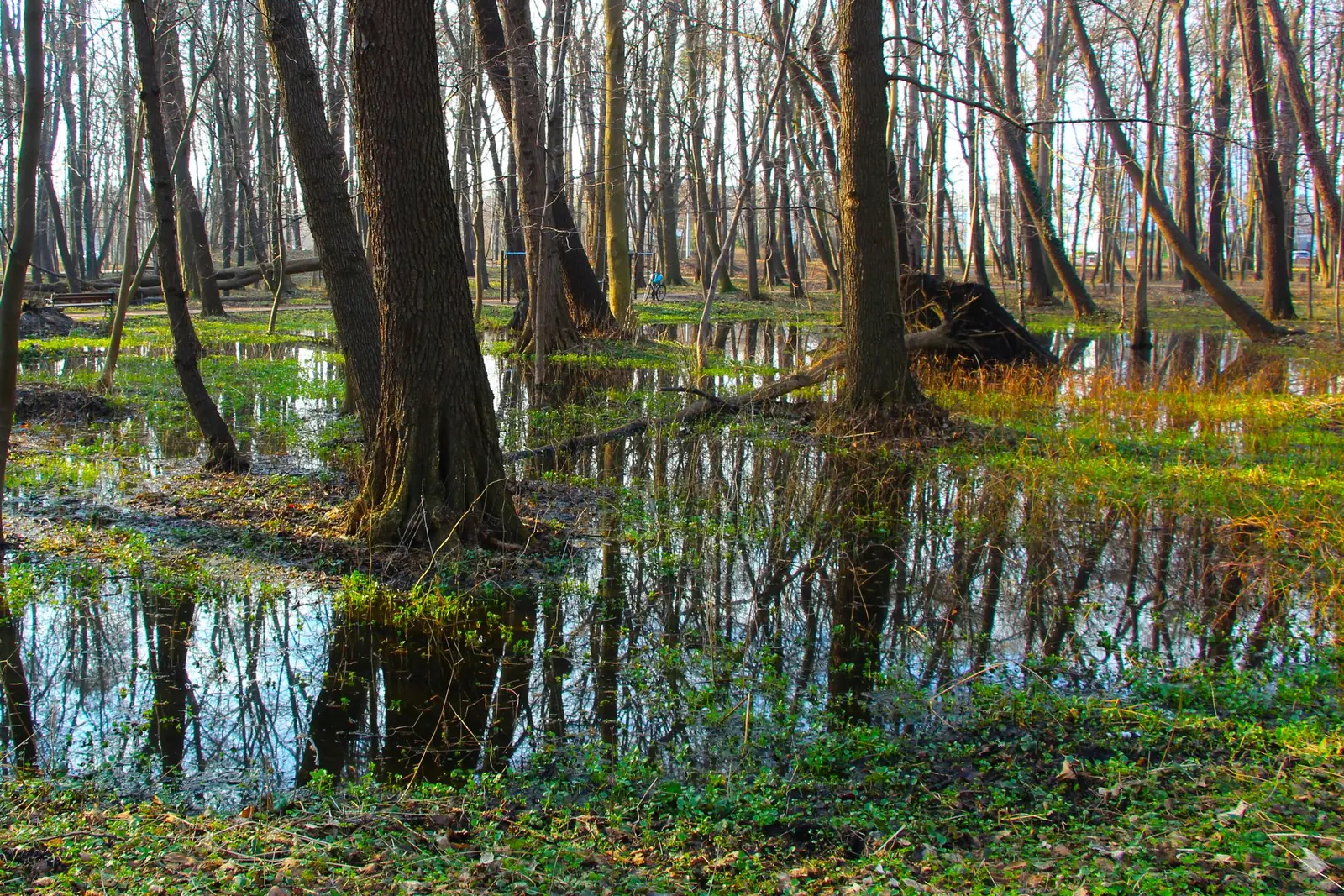
Wet terrain asks more of a boot than most people expect. Standing water, mud that grips your foot, long days with damp feet and the constant question of what is under the surface all change the shopping list. This guide covers what matters in swamps, marshes and wet ground, and keeps one thing clear: waterproofing and snake protection are different features.
Where wet ground raises the stakes
Snakes shelter in many kinds of cover, and Colorado State University Extension notes that they seek out cool, damp shelter. Wet terrain also hides footing and cover under water and vegetation, so it is worth being deliberate about boots, habits and a plan.
Which species live in your area differs by region. Your state wildlife agency can tell you what is present and when it is active.
Check three things separately
- The protection claim: what the manufacturer says is protected, and how it describes testing.
- The waterproofing: how it is achieved (rubber, membrane, sealed seams), and whether it is waterproof or only water-resistant.
- The waterproof height: how far up the shaft it extends compared with the water you will wade.
What matters in wet ground
Depth and the top opening
Water coming over the top of the shaft defeats any sealed boot. Match the height of the waterproof section to the depth you expect to wade, and remember that mud can be deeper than it looks.
Rubber, membrane or leather
Rubber is waterproof by nature and easy to rinse, but tends to be less breathable. Leather and textile boots rely on membranes, sealed seams or treatment. See leather vs rubber and are snake boots waterproof?
Traction and weight in mud
Look at the sole pattern and what it is designed for, since slippery mud and wet roots are demanding. Mud also adds weight, so a boot that is already heavy gets heavier.
Fit with wet socks and layers
Wet feet and thick socks change fit. Try boots with the socks you will wear in wet conditions, and see the sizing guide.
Gaiters are not sealed boots
Many gaiters use water-resistant fabric but are not sealed like a waterproof boot. In standing water, that matters. See snake boots vs gaiters.
After the trip: dry and inspect
- Rinse mud off and let boots dry fully, following the manufacturer’s care instructions.
- Check for cuts, cracks and worn treatment, which let water in over time.
- Track cleaning and treatment in the Maintenance Tracker.
Habits matter in wet cover
- Probe ahead with a long stick where you cannot see the bottom or what is in vegetation.
- Step on logs before stepping over them, and watch where you put your hands and where you sit.
- Never reach into cover you cannot see, and never handle a snake.
See how to lower your snakebite risk for the full list.
Looking at waterproof boots? These links open Amazon search results. We have not ranked or endorsed any listing.
Browse waterproof snake boots on Amazon Browse rubber snake boots on Amazon
Frequently asked questions
Do I need rubber boots for swamp terrain?
Not necessarily. Rubber is waterproof by nature, but leather and textile boots with sealed construction can also work, depending on depth and conditions. Compare how each model keeps water out.
How tall should wet-terrain boots be?
Match the waterproof height to the depth you will wade, and check the shaft height for coverage. See how tall snake boots should be.
Are snake boots needed in water?
That is a personal decision. Footwear can reduce risk to the area it covers, and habits matter most. No product can guarantee protection.
Sources and further reading
You May Also Like
Buying Guide
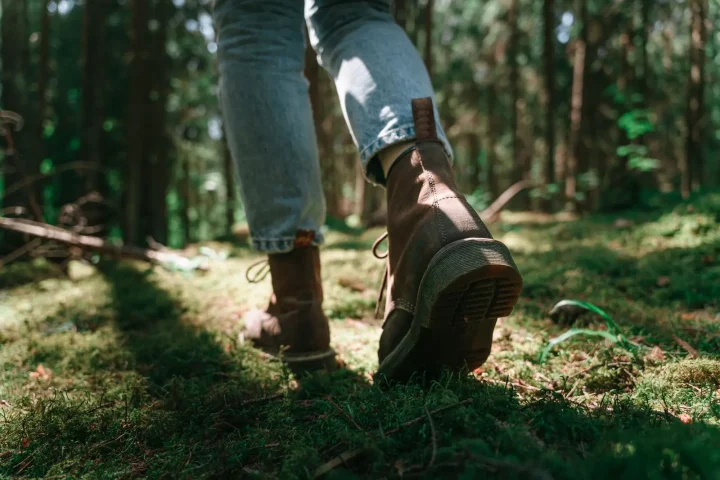
How to Choose Snake Boots: 9 Things to Check Before You Buy
A practical way to compare snake boots on facts instead of marketing: protection claims, shaft height, materials, waterproofing, fit, weight, closures, traction and care.
Read guide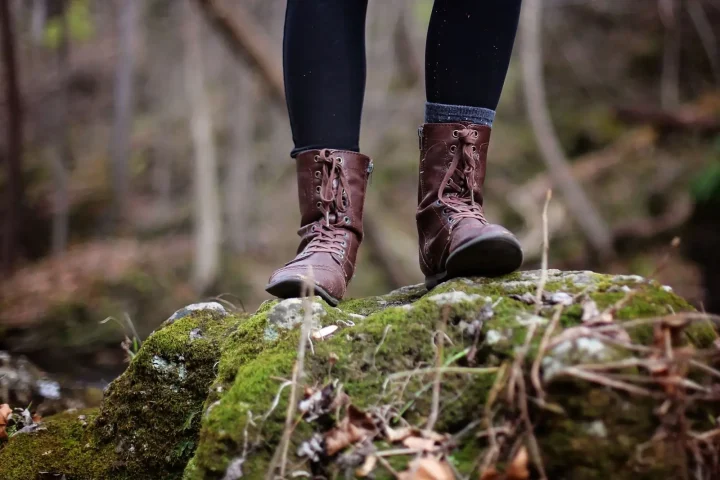
How-To
How Tall Should Snake Boots Be? What the Numbers Do and Don’t Tell You
Shaft heights of roughly 15 to 18 inches are common, but there is no single right number. Learn how heights are measured, how to…
Read guide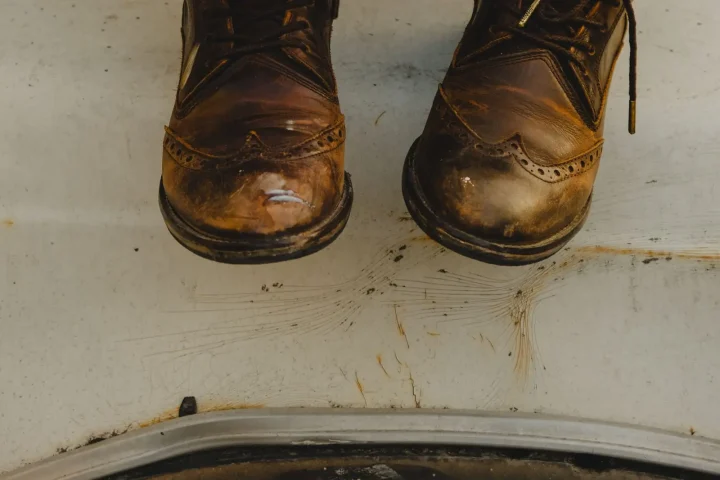
How-To
Snake Boot Sizing Guide: How to Get the Right Fit
Tall boots have two fits to get right: the foot and the calf. Here is how to measure both, what to check when you…
Read guide
Comparison
Leather vs Rubber Snake Boots: Which Makes More Sense for Your Terrain?
Materials trade off water, breathability, weight, noise and care. Here are the general tendencies of leather and rubber, and why neither guarantees snake protection.
Read guide